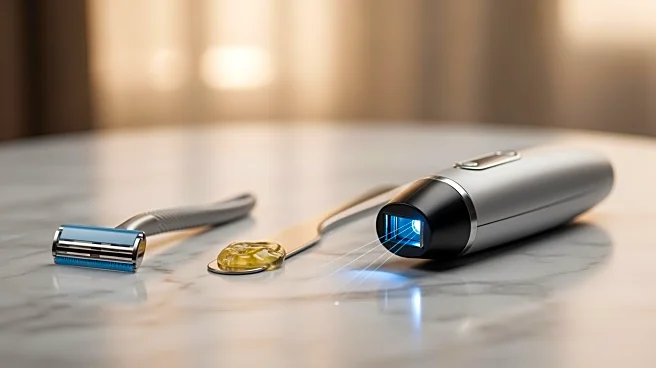




Hair removal has been a part of human culture for centuries, evolving through various methods and practices. From ancient civilizations to modern times, the techniques used to remove hair have reflected cultural norms, technological advancements, and personal preferences. This article explores the historical development of hair removal methods, highlighting key milestones and changes over time.
Ancient Practices
In ancient times, hair removal was often associated with
cleanliness and social status. In Ancient Egypt, hair removal was a common practice among affluent individuals, serving both as a fashion statement and a treatment for louse infestation. Egyptians would often replace their removed head hair with wigs, which were easier to maintain and fashionable. Similarly, in Ancient Rome, smooth skin was associated with purity and superiority, and both men and women engaged in hair removal.
The methods used in these ancient cultures varied. Egyptians used pumice and razors, while Romans employed depilatories like psilothrum and dropax. These substances were often abrasive and caustic, reflecting the rudimentary nature of early hair removal techniques. Despite the harshness of these methods, they were widely practiced, indicating the importance placed on hairlessness in these societies.
Medieval and Renaissance Changes
During the medieval period, hair removal practices shifted, influenced by religious and cultural norms. Catholic women were expected to grow their hair long as a display of femininity, while keeping it concealed in public. However, facial hair was considered unsightly, leading women to remove hair from their foreheads to achieve a more oval face shape.
The Renaissance brought further changes, with Queen Elizabeth I popularizing eyebrow removal. By the 18th century, the invention of the safety razor allowed for safer shaving, although hair removal was still not widely practiced among women. It wasn't until the late 19th century that hair removal became a component of personal care regimes, influenced by changing perceptions of femininity and body image.
Modern Developments
The 20th century saw significant advancements in hair removal technology and practices. The introduction of the safety razor specifically marketed to women marked a turning point, as smooth skin became a marker of femininity in upper- and middle-class America. This period also saw the rise of chemical depilatories, which offered a less abrasive alternative to traditional methods.
Today, hair removal is a common practice worldwide, with a variety of methods available, including shaving, waxing, and laser treatments. These modern techniques reflect both technological advancements and evolving cultural norms, as hair removal continues to be influenced by aesthetic, hygienic, and personal preferences.