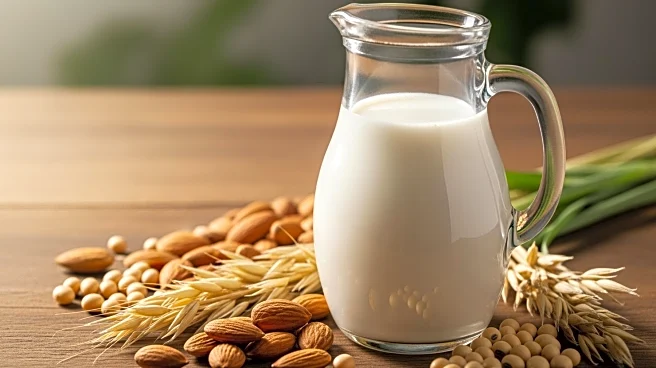




In recent years, plant-based milks have surged in popularity, becoming a staple in many households. This trend is driven by a combination of factors, including dietary preferences, environmental concerns, and the increasing prevalence of lactose intolerance. As more people seek alternatives to traditional dairy, the market for plant-based milks has expanded rapidly, offering a diverse range of options to suit various tastes and nutritional needs.
Historical Development
The concept of plant-based milks is not new. Soy milk, for example, has been consumed in Asia for centuries and made its way to Western markets in the early 20th century. Initially, it served as a dairy substitute for those with lactose intolerance. Over time, the popularity of soy milk paved the way for other plant-based beverages, such as almond and oat milk.
Oat milk, in particular, has seen significant growth since its development in the 1990s by Swedish scientist Rickard Öste. Originally created as a sustainable food option, oat milk has become a favorite among consumers for its creamy texture and versatility. By 2020, oat milk products included not only beverages but also coffee creamers, yogurt alternatives, and ice cream.
Market Expansion
The plant-based milk market has experienced remarkable growth, with sales increasing significantly over the past decade. In the United States, oat milk sales alone rose from $4.4 million in 2017 to $213 million in 2020, making it the second most consumed plant milk after almond milk. This surge in demand has led to the expansion of production facilities and the introduction of new products to meet consumer needs.
The rise in plant-based milk consumption is partly attributed to its perceived health benefits and lower environmental impact compared to dairy milk. Plant-based milks generally require less water and land to produce, making them an attractive option for environmentally conscious consumers.
Nutritional and Environmental Impact
While plant-based milks offer a lactose-free alternative to dairy, their nutritional content can vary widely. Many are fortified with essential vitamins and minerals to match the nutritional profile of cow's milk. However, consumers should be mindful of added sugars and other ingredients that may affect the overall healthfulness of these products.
From an environmental perspective, plant-based milks are often seen as a more sustainable choice. Oat milk, for example, requires significantly less water to produce than almond milk and has a lower carbon footprint than dairy milk. As awareness of environmental issues grows, the demand for sustainable food options like plant-based milks is likely to continue rising.