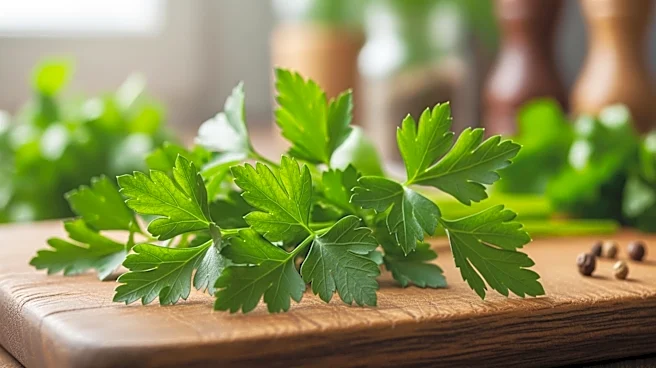








Parsley, a vibrant green herb, is a staple in kitchens around the world. Known scientifically as Petroselinum crispum, this member of the Apiaceae family is native to the Balkans but has found its way into a variety of global cuisines. Its fresh, slightly peppery flavor makes it a versatile ingredient, enhancing dishes from salads to stews. This article delves into the culinary applications of parsley, highlighting its role in different regional dishes and
its importance as a garnish and flavor enhancer.
Parsley in European Cuisine
In European cooking, parsley is a beloved herb, often used to add a fresh touch to a wide range of dishes. In Italy, parsley is a key ingredient in salsa verde, a condiment made with capers, anchovies, garlic, and sometimes bread soaked in vinegar. This sauce is traditionally served with bollito misto or fish, adding a burst of flavor to these dishes. Another Italian favorite, gremolata, combines parsley with garlic and lemon zest, providing a zesty accompaniment to the classic veal stew, ossobuco alla milanese.
In Central and Eastern Europe, root parsley is commonly used as a vegetable in soups, stews, and casseroles. Its earthy flavor complements the hearty nature of these dishes, making it a popular choice in the region. Additionally, fresh parsley is often sprinkled over dishes just before serving, adding a pop of color and a hint of freshness.
Middle Eastern and American Uses
Parsley plays a significant role in Middle Eastern cuisine, where it is a key ingredient in salads like Lebanese tabbouleh. This salad combines finely chopped parsley with bulgur, tomatoes, and onions, creating a refreshing dish that is both nutritious and flavorful. In the making of falafel, parsley is often mixed with chickpeas or fava beans, giving the inside of the falafel its distinctive green color.
In American cuisine, parsley is frequently used as a garnish, adding a touch of elegance to dishes like mashed potatoes, rice, and various meats. Its ability to neutralize odors, such as those from garlic, makes it a practical addition to many recipes. Whether used fresh or dried, parsley's subtle flavor enhances the overall taste of a dish without overpowering it.
The Symbolic and Nutritional Value of Parsley
Beyond its culinary uses, parsley holds symbolic significance in certain cultural practices. It is a component of the standard Seder plate in Jewish tradition, symbolizing the flourishing of the Jews after their arrival in Egypt. This symbolic use highlights parsley's role not just as a food ingredient but as a part of cultural heritage.
Nutritionally, parsley is a powerhouse, rich in vitamins K, C, and A, as well as folate and iron. Its high water content and low calorie count make it a healthy addition to any diet. Consuming parsley can contribute to overall health, providing essential nutrients that support various bodily functions.
In conclusion, parsley's versatility in the kitchen, combined with its nutritional benefits and cultural significance, makes it an indispensable herb in many households. Whether used as a garnish, a key ingredient, or a symbol of tradition, parsley continues to be a cherished component of global cuisine.