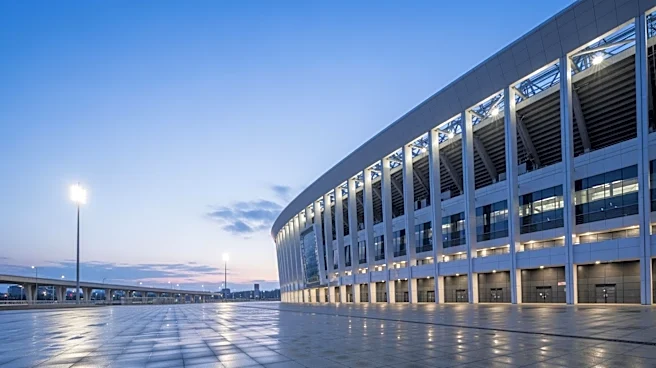

Stade de la Beaujoire, located in Nantes, France, has undergone significant changes since its inception. Originally opened in 1984, the stadium has been a central hub for sports and entertainment in the region.
This article delves into the historical development and renovations that have shaped the stadium into what it is today.
The Early Years
Stade de la Beaujoire was inaugurated on May 8, 1984, with a friendly match between FC Nantes and Romania. At the time, the stadium boasted a capacity of 52,923, making it one of the largest venues in France. Designed by architect Berdje Agopyan, the stadium was built in a hexagon shape, specifically for football use. This design choice was intended to enhance the viewing experience for fans, providing clear sightlines from every seat.
In its early years, Stade de la Beaujoire quickly became a prominent venue for major sporting events. It hosted matches during the UEFA Euro 1984, including a memorable 5-0 victory for France over Belgium. The stadium's capacity allowed it to accommodate large crowds, with the highest attendance recorded at 51,359 for the France-Belgium match.
Renovations and Modernization
The stadium underwent significant renovations in 1998 in preparation for the FIFA World Cup. These changes included converting the venue into an all-seater stadium, reducing its capacity to 35,322. This renovation aimed to improve safety and comfort for spectators, aligning with modern standards for international sporting events.
The 1998 renovation was not the last time Stade de la Beaujoire saw changes. In 2007, it hosted matches for the Rugby World Cup, further solidifying its status as a versatile sports venue. The stadium's ability to adapt to different sports and events has been a key factor in its longevity and continued relevance.
Future Prospects
Despite its storied history, there were plans to replace Stade de la Beaujoire with a new stadium named YelloPark. This project was intended to coincide with the 2024 Summer Olympics and the 2023 Rugby World Cup. However, the plans were ultimately canceled in 2019, ensuring that Stade de la Beaujoire would continue to serve as a key venue in Nantes.
Looking ahead, Stade de la Beaujoire remains a vital part of the local community, hosting both sports and music events. Its ability to evolve and adapt over the years has ensured its place as a beloved landmark in Nantes, with a rich history that continues to unfold.