




The United States Capitol is more than just a building; it is a powerful symbol of American democracy and governance. Located in Washington, D.C., the Capitol serves as the seat of the U.S. Congress and is a focal point of the nation's political life. This article explores the symbolic significance of the Capitol and its role in American culture and politics.
A Beacon of Democracy
The United States Capitol is often seen as a beacon of democracy, representing the ideals
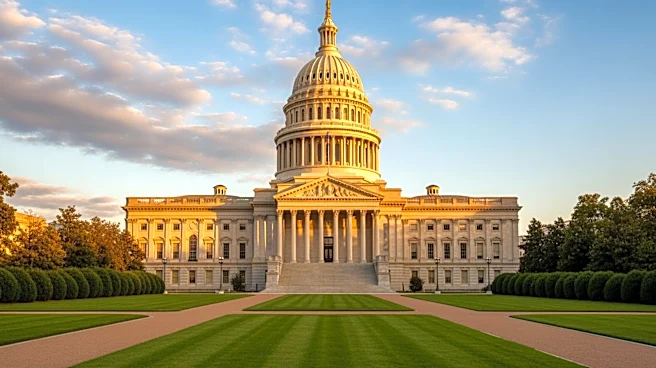
of freedom, equality, and justice. Its neoclassical architecture, inspired by ancient Greece and Rome, reflects the democratic principles that underpin the American political system. The Capitol's design, with its grand dome and stately columns, conveys a sense of order and stability, reinforcing its role as a center of governance.
The Capitol is not only a place where laws are made but also a symbol of the people's voice in government. It is where elected representatives gather to debate and decide on issues that affect the nation. This makes the Capitol a living symbol of the democratic process, where the will of the people is expressed through their elected officials.
Cultural and Historical Significance
Throughout its history, the United States Capitol has been the site of many significant events that have shaped the nation. It has hosted presidential inaugurations, state funerals, and other important ceremonies that mark the passage of American history. These events underscore the Capitol's role as a national stage for the country's most pivotal moments.
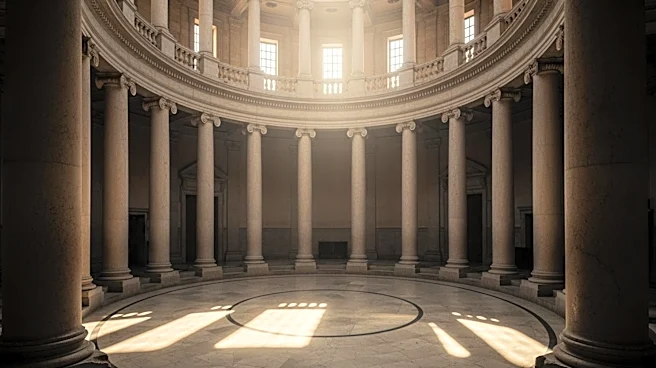
The Capitol is also home to a rich collection of art and historical artifacts that reflect the nation's cultural heritage. The rotunda, with its historical paintings and sculptures, serves as a national showcase of American art and history. These works of art not only beautify the Capitol but also tell the story of the nation's journey and its enduring values.
A Symbol of Unity and Continuity
In times of crisis and change, the United States Capitol stands as a symbol of unity and continuity. It represents the enduring strength of the American political system and the resilience of its democratic institutions. The Capitol's presence in the nation's capital serves as a reminder of the shared values and principles that bind the country together.
As a symbol of American democracy, the Capitol continues to inspire and unite people from all walks of life. Its significance extends beyond its physical structure, embodying the ideals and aspirations of a nation committed to freedom and justice for all. The United States Capitol remains a powerful emblem of the American spirit and its democratic legacy.