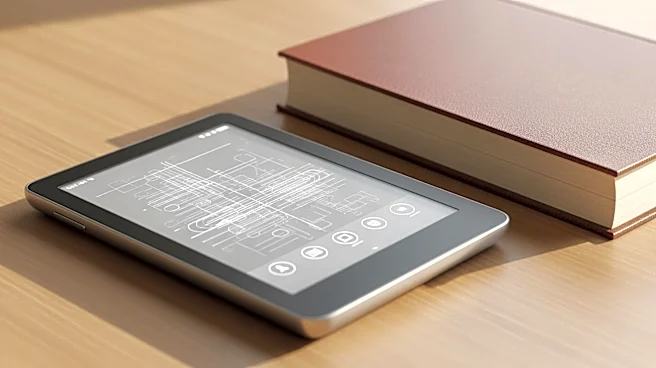







E-readers have become a popular alternative to traditional books, offering unique benefits and some limitations. This article explores the advantages and drawbacks of e-readers, helping readers understand how these devices compare to conventional reading materials.
Advantages of E-Readers
One of the most significant advantages of e-readers is their portability. These devices can store thousands of books, allowing users to carry an entire library wherever they go. This feature
is particularly beneficial for travelers and those with limited storage space, as e-readers weigh less than a single printed book.
E-readers also offer convenience through various add-on features. Many devices include built-in dictionaries, translation tools, and the ability to adjust font sizes, enhancing the reading experience for users with different needs. Additionally, e-readers with e-ink displays provide better readability in sunlight and longer battery life compared to devices with LCD screens, making them ideal for outdoor reading.
Limitations of E-Readers
Despite their advantages, e-readers have some limitations. One notable drawback is the slow refresh rate and grayscale-only display of e-ink screens, which can make them unsuitable for interactive applications and color-rich content. This limitation may deter users who prefer the vibrant visuals of traditional books or tablets.
Another concern is the closed ecosystem of many e-readers, which restricts users to purchasing books from a single provider's online store. This structure limits access to a broader selection of e-books and can result in higher prices due to reduced competition. Additionally, the social interaction of buying or borrowing a book from a physical store or library is lost with e-readers.
Balancing Benefits and Drawbacks
While e-readers offer numerous benefits, they are not without their challenges. Users must weigh the convenience and portability of e-readers against the limitations of display technology and restricted access to e-books. For some, the advantages of e-readers outweigh the drawbacks, making them a valuable tool for reading on the go.
As technology continues to advance, e-readers may overcome some of their current limitations. The development of color e-ink displays and more open ecosystems could enhance the appeal of e-readers, attracting a wider audience. Ultimately, the choice between e-readers and traditional books depends on individual preferences and priorities, with each option offering unique benefits and challenges.
E-readers have carved out a niche in the world of reading, providing a modern alternative to printed books. By understanding their advantages and limitations, readers can make informed decisions about which format best suits their needs and lifestyle.