
Posture is more than just a matter of appearance; it has significant implications for our health and well-being. The way we hold our bodies can influence various aspects of our physical health, from muscle
tension to respiratory function. Understanding the impact of posture on health can help us make informed choices to improve our overall well-being.
Physical Health Implications
Poor posture can lead to a range of physical health issues, including muscle tension, joint pain, and reduced flexibility. When we maintain a slouched or hunched posture, certain muscles become overworked while others weaken, leading to imbalances that can cause discomfort and pain. For example, prolonged periods of sitting with poor posture can result in tightness in the chest and shoulders, as well as strain on the lower back.
Additionally, poor posture can affect our respiratory function. Slouching or hunching over can compress the chest cavity, limiting lung capacity and making it more difficult to breathe deeply. This can lead to shallow breathing, which may contribute to feelings of fatigue and decreased energy levels. By adopting a more upright posture, we can improve our breathing patterns and enhance our overall vitality.
Psychological and Emotional Effects
The impact of posture extends beyond physical health, influencing our psychological and emotional well-being as well. Research has shown that posture can affect our mood, confidence, and stress levels. For instance, standing or sitting with an open and upright posture can boost feelings of confidence and reduce stress, while slouching can exacerbate feelings of anxiety or depression.
Moreover, posture can influence how others perceive us, affecting our social interactions and relationships. A confident posture can convey competence and approachability, while a closed or defensive posture may signal disinterest or hostility. By being mindful of our posture, we can improve our communication skills and foster more positive interactions with others.
Strategies for Improving Posture
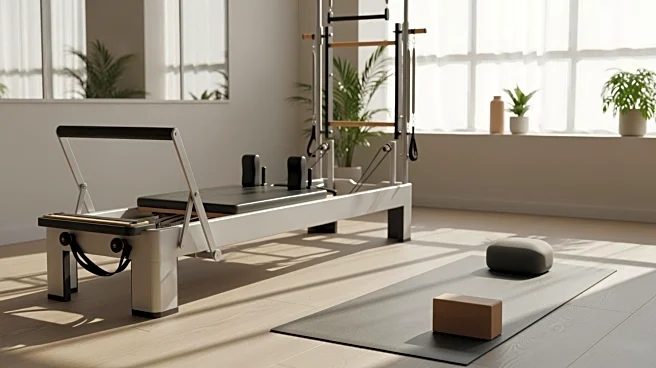
Improving posture requires conscious effort and practice. Simple strategies, such as regular stretching and strengthening exercises, can help correct imbalances and promote better alignment. Activities like yoga and Pilates are particularly effective for enhancing posture, as they focus on building core strength and flexibility.
Incorporating ergonomic adjustments into our daily routines can also support better posture. This includes setting up workspaces that encourage proper alignment, using supportive chairs, and taking regular breaks to move and stretch. By making these small changes, we can reduce the risk of posture-related health issues and enhance our overall well-being.
In summary, posture plays a crucial role in our physical and mental health. By understanding its impact and taking proactive steps to improve our posture, we can enhance our quality of life and promote long-term well-being.