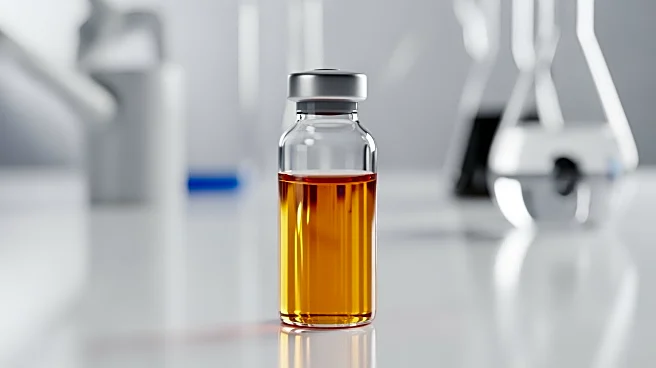




Blood serum is a crucial element in medical science, used extensively in diagnostics and research. Understanding how serum is obtained and its various applications can provide insight into its importance in healthcare. This article explores the process of obtaining blood serum and its diverse uses.
Obtaining Blood Serum
The process of obtaining blood serum begins with the collection of a blood sample. Once collected, the blood is allowed to clot, a process known as coagulation.
During coagulation, the clotting factors in the blood are activated, leading to the formation of a clot. This step is essential to separate the liquid component, serum, from the solid components, such as blood cells and the clot itself.
After coagulation, the blood sample undergoes centrifugation. This process involves spinning the sample at high speeds to separate the different components based on their density. The heavier elements, including the clot and blood cells, settle at the bottom, while the lighter serum remains as the supernatant. The clear, yellowish liquid that is collected is the serum, ready for use in various applications.
Applications in Diagnostics
Blood serum is widely used in diagnostic tests due to its rich composition of proteins, antibodies, and other molecules. It is instrumental in blood typing, where the presence of specific antigens and antibodies is analyzed to determine a person's blood group. This information is crucial for safe blood transfusions and organ transplants.
Serum is also used in measuring the concentration of therapeutic drugs in the body. By analyzing serum levels, healthcare providers can adjust medication dosages to ensure efficacy and minimize side effects. This application is particularly important in managing chronic conditions and during clinical trials of new drugs.
Research and Therapeutic Uses
In research, serum is used to study the immune response and the presence of antibodies against specific pathogens. This information is vital for understanding disease dynamics and developing vaccines. Serum's role in serology, the study of serum and its components, is central to these research efforts.
Therapeutically, convalescent serum is used to treat infectious diseases. This serum, obtained from recovered patients, contains antibodies that can help fight the same infection in others. It is a form of passive immunotherapy, providing immediate but temporary protection against pathogens.
In summary, the process of obtaining blood serum is straightforward yet essential for its wide-ranging applications in medicine. From diagnostics to research and therapy, serum continues to be a cornerstone of modern healthcare, offering insights and solutions to complex medical challenges.