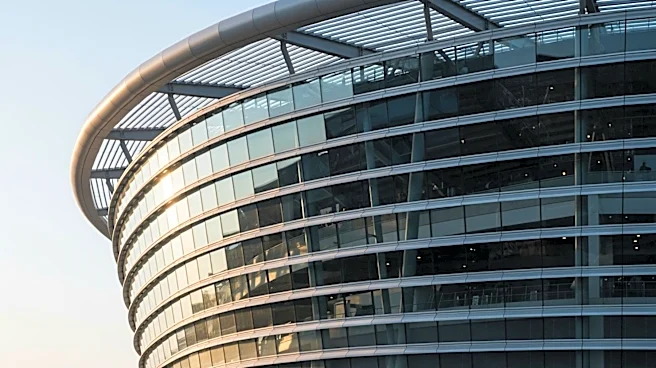


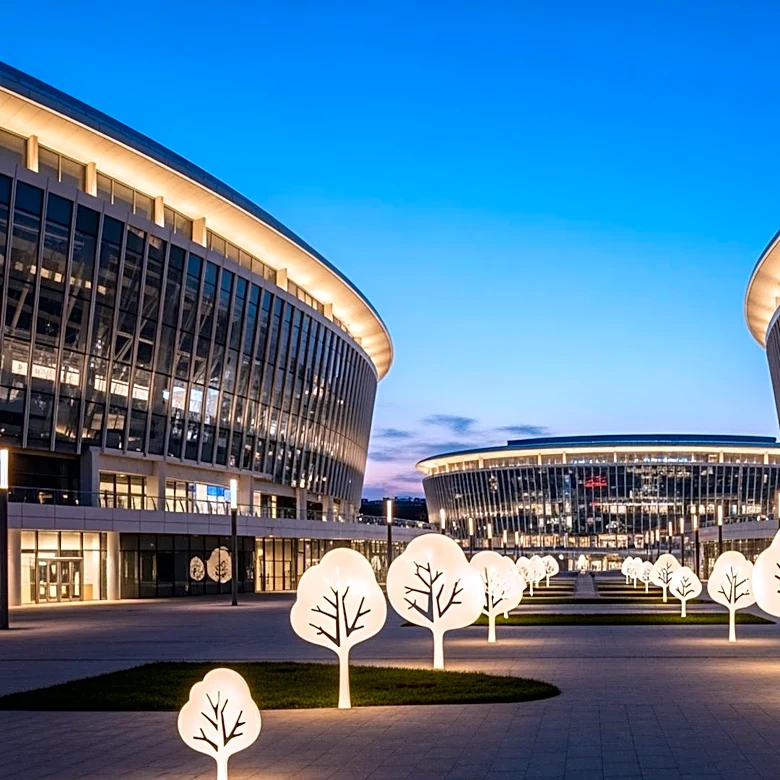




RheinEnergieStadion, situated in Cologne, Germany, has undergone significant architectural transformations since its inception. Originally known as the Müngersdorfer Stadion, the stadium has evolved to meet the demands of modern sports and events. This article examines the architectural changes and renovations that have shaped the stadium's current form and functionality.
Early Construction and Design
The original Müngersdorfer Stadion was constructed following the removal of Cologne's
fortifications under the Treaty of Versailles. This development allowed the city to create jobs and gain economic benefits. The stadium's initial design included facilities for both football matches and track meets, accommodating a wide range of sports.
The stadium quickly became a prominent venue for domestic sports, hosting major football matches and attracting large crowds. Its design allowed for flexibility in hosting various events, although participation in track meets was restricted in 1933. The stadium's architecture reflected the needs of the time, providing a space for both professional and non-professional sports.
Renovations and Modernization
RheinEnergieStadion has undergone two major renovations: from 1972 to 1975 and from 2002 to 2004. The first renovation aimed to prepare Cologne as a host city for the 1974 World Cup. Financial constraints led to a scaled-down version of the stadium, inaugurated in 1975 with a capacity of 61,000 seats. This configuration allowed the stadium to host UEFA Euro 1988.
The second renovation was driven by the prospect of hosting the World Cup again in Germany. Completed in 2003, the renovation removed track-and-field facilities, bringing spectators closer to the pitch. This change reflected a shift towards a more football-focused design, enhancing the viewing experience for fans. The stadium's capacity was adjusted to accommodate 50,000 people during club matches and 45,965 for international games.
Modern Facilities and Features
Today, RheinEnergieStadion boasts modern facilities that cater to both players and spectators. The stadium is equipped with a floodlight system that illuminates the entire field, ensuring optimal visibility during matches. The north grandstand houses a museum dedicated to 1. FC Köln, adding a cultural dimension to the stadium's offerings.
The stadium's external dimensions include a length of 220 meters, a width of 180 meters, and a height to the roof of 33.25 meters. The roof area spans 15,400 square meters, providing ample coverage for spectators. These features highlight the stadium's architectural evolution, combining functionality with aesthetic appeal.
RheinEnergieStadion's architectural journey reflects its adaptability and commitment to providing a world-class experience for sports and events. Its modern design and facilities continue to attract international tournaments, solidifying its status as a premier venue in Germany.