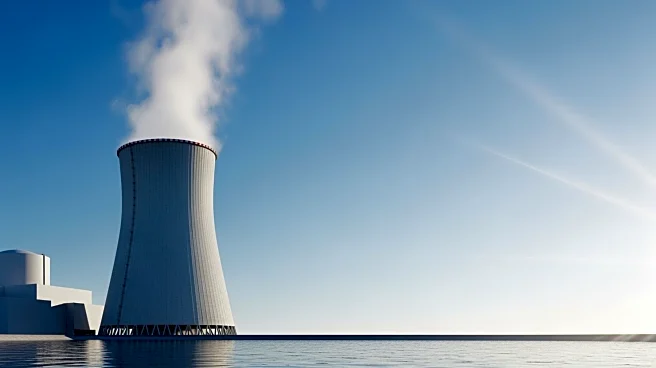


Nuclear power has been a significant part of the United States' energy landscape since the mid-20th century. From the opening of the first commercial nuclear power plant in 1958 to the present day, the industry has undergone substantial changes. This article provides a historical overview of the development and growth of nuclear power in the U.S., highlighting key milestones and challenges.
The Early Days of Nuclear Power
The journey of nuclear power in the United States began with
the opening of the Shippingport Atomic Power Station in 1958. This marked the country's first commercial nuclear power plant, setting the stage for the expansion of nuclear energy. During the 1960s and 1970s, the Atomic Energy Commission (AEC) anticipated a rapid growth in the number of reactors, projecting that over 1,000 reactors would be operational by the year 2000.
However, the industry's growth was not as rapid as initially expected. The Three Mile Island accident in 1979, along with changing economic conditions, led to the cancellation of many planned projects. Despite these setbacks, nuclear power continued to play a vital role in the U.S. energy mix, contributing significantly to emissions-free electricity generation.
Challenges and Changes in the Industry
The nuclear power industry faced numerous challenges in the following decades. Economic factors, such as the high costs of building new plants and competition from natural gas, impacted the industry's growth. Additionally, public perception and safety concerns, particularly after incidents like the Fukushima disaster, influenced the development of new projects.
In response to these challenges, the Nuclear Regulatory Commission (NRC) granted license renewals to extend the operating life of existing reactors. By 2014, the NRC had granted 20-year extensions to 74 reactors, with plans to consider further renewals. This approach helped maintain the contribution of nuclear power to the U.S. energy supply, even as new plant construction slowed.
The Future of Nuclear Power
Looking to the future, the U.S. nuclear power industry is exploring new technologies and innovations to address its challenges. Advanced nuclear reactors, which are smaller, safer, and more efficient, are being developed to reduce construction costs and improve safety. These advancements, along with government support and public acceptance, are crucial for the industry's continued growth.
In conclusion, nuclear power has played a significant role in the United States' energy history, providing reliable and emissions-free electricity. While the industry has faced challenges, its future remains promising with the development of new technologies and a focus on sustainability. As the U.S. continues to pursue clean energy goals, nuclear power will likely remain an essential component of the nation's energy strategy.