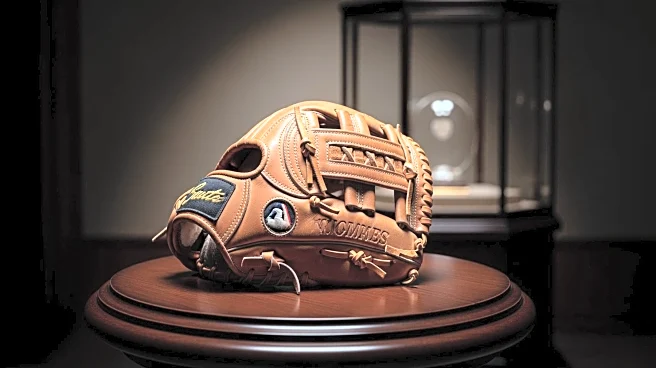




The National Baseball Hall of Fame and Museum in Cooperstown, New York, is renowned for its role in honoring the most outstanding figures in baseball history. The induction process is a meticulous and revered tradition that ensures only the most deserving individuals are enshrined. This article explores the selection process, highlighting the criteria and committees involved in choosing Hall of Fame inductees.
The Role of the Baseball Writers' Association of America
The Baseball Writers' Association of America
(BBWAA) plays a crucial role in the Hall of Fame induction process. Players become eligible for consideration five years after retirement, provided they have at least ten years of major league experience. The BBWAA members, who must have ten years of membership and active coverage of Major League Baseball, vote on eligible candidates.
Each year, the BBWAA ballot typically includes 25 to 40 candidates. Writers can vote for up to ten players, and a player must receive at least 75% of the votes to be elected. If a player receives fewer than 5% of the votes, they are removed from future BBWAA ballots. However, they may still be considered by the Veterans Committee.
The Veterans Committee and Special Circumstances
The Veterans Committee, now divided into subcommittees based on different eras of baseball, considers players, managers, umpires, and executives who are no longer eligible for the BBWAA ballot. This committee ensures that deserving individuals from earlier eras or those who contributed in non-playing roles are recognized.
Special circumstances can also affect eligibility. For instance, if a player dies before the five-year waiting period, they may be considered for induction six months after their death. Roberto Clemente's posthumous induction in 1973 set a precedent for such cases. Additionally, players like Addie Joss, who did not meet the ten-year playing requirement due to early death, have been inducted under special consideration.
Controversies and Changes in the Process
The Hall of Fame's selection process has not been without controversy. The exclusion of players on baseball's "permanently ineligible" list, such as Pete Rose and "Shoeless Joe" Jackson, has sparked debate among fans and historians. Both players were banned for actions related to gambling, and their potential induction remains a contentious topic.
Over the years, the Hall of Fame has made adjustments to its selection process to address various concerns. Changes to the Veterans Committee's structure and the introduction of new voting categories have aimed to ensure a fair and comprehensive evaluation of candidates. Despite these changes, the induction process continues to be a subject of passionate discussion among baseball enthusiasts.
The National Baseball Hall of Fame and Museum's induction process is a testament to the sport's rich history and the enduring legacy of its greatest contributors. Through careful consideration and evolving criteria, the Hall of Fame remains a prestigious institution that honors the best in baseball.