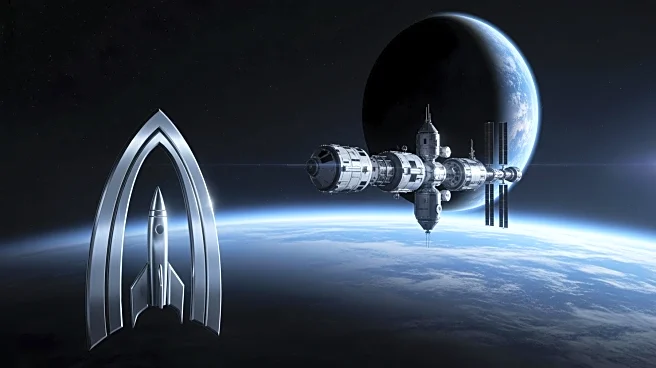


In the unique environment of space, maintaining physical health is a significant challenge for astronauts. The absence of gravity leads to various physiological changes, including muscle atrophy and bone density loss. To combat these effects, treadmills have become an essential tool on the International Space Station (ISS), helping astronauts stay fit and healthy during their missions.
The Need for Exercise in Space
Space travel presents a host of challenges to the human body. In
the microgravity environment of the ISS, astronauts experience muscle atrophy and deterioration of the skeleton, known as spaceflight osteopenia. These changes occur because the body no longer needs to support its weight, leading to a decrease in bone and muscle mass.
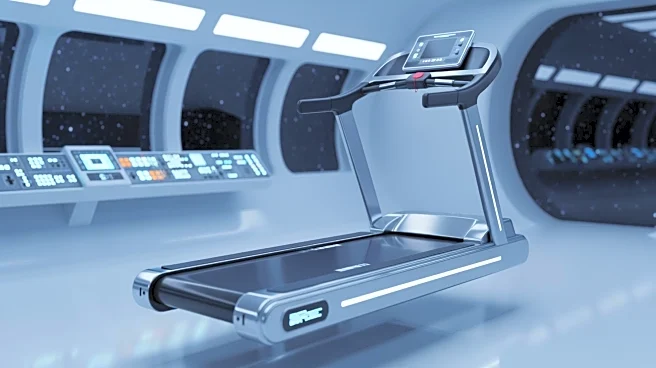
To mitigate these effects, astronauts must engage in regular exercise. Treadmills are particularly effective because they allow astronauts to simulate the act of walking or running, which helps maintain muscle and bone health. By using bungee cords to strap themselves to the treadmill, astronauts can perform exercises that mimic the gravitational forces experienced on Earth.
Treadmill with Vibration Isolation Stabilization
The Treadmill with Vibration Isolation Stabilization (TVIS) was one of the first treadmills used on the ISS. It was designed to allow astronauts to exercise without transmitting vibrations to the station, which could interfere with delicate scientific experiments. The TVIS floats freely in the microgravity environment, and its design ensures that vibrations remain within acceptable limits.
The treadmill's development was crucial in providing astronauts with a means to maintain their physical health while preserving the station's microgravity environment. Over time, the TVIS was refined, leading to the development of the Combined Operational Load-Bearing External Resistance Treadmill (COLBERT), named after comedian Stephen Colbert following a public naming contest.
The Role of Treadmills in Space Missions
Treadmills play a vital role in the daily routines of astronauts aboard the ISS. They are used to counteract the negative effects of long-term weightlessness, such as muscle and bone loss. By simulating the forces of gravity, treadmills help astronauts maintain their physical fitness, ensuring they can perform their duties effectively and return to Earth in good health.
The use of treadmills in space is a testament to the importance of exercise in maintaining astronaut health. As space missions become longer and more complex, the role of treadmills and other exercise equipment will continue to be crucial in ensuring the well-being of those who venture beyond our planet.