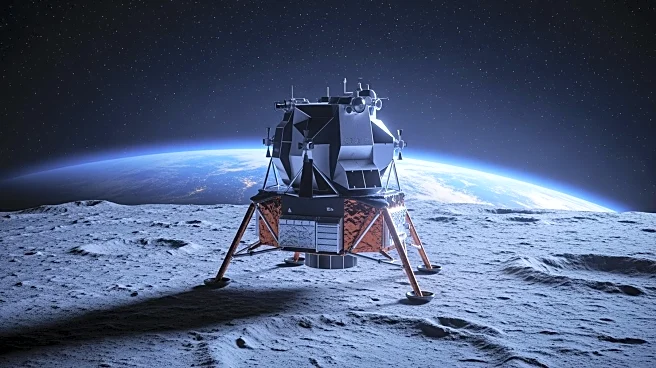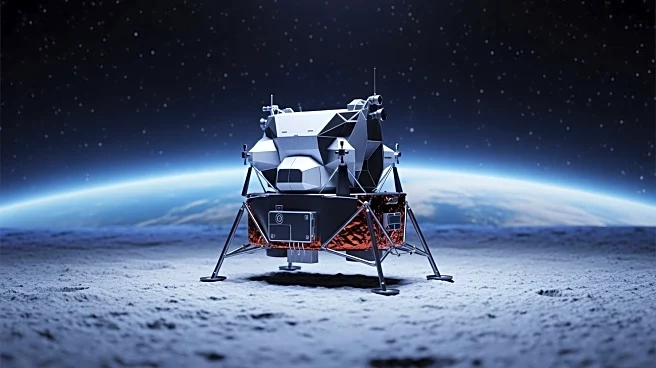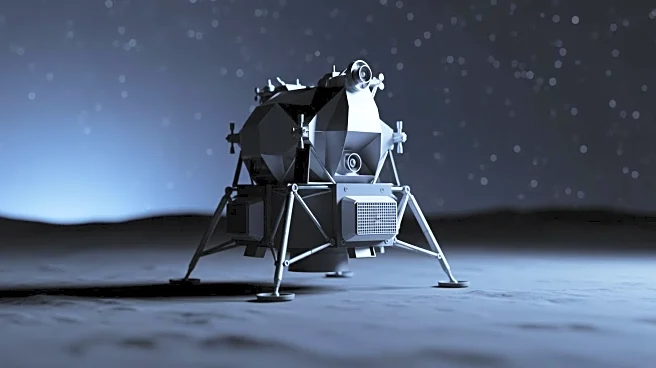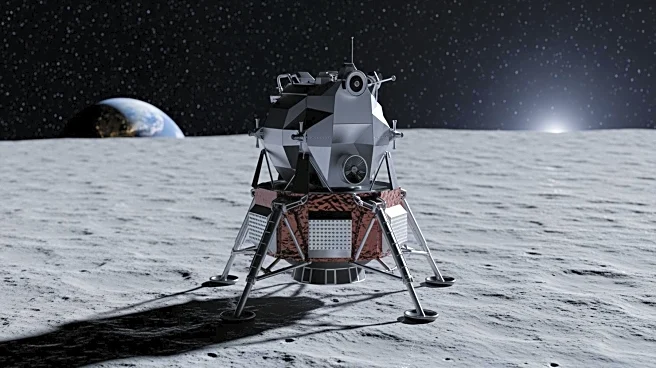

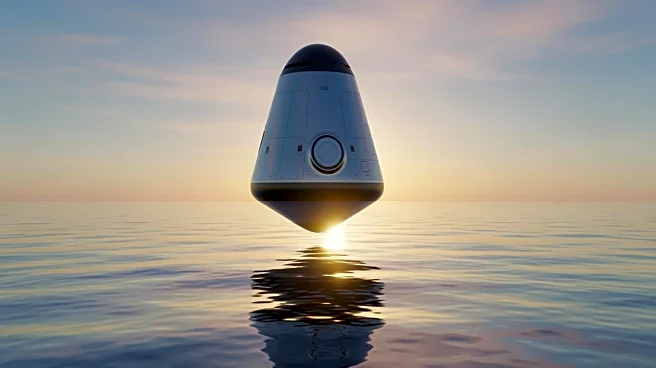


Apollo 9 marked a significant milestone in NASA's Apollo program, serving as the third crewed mission and a crucial step toward landing humans on the Moon. Launched on March 3, 1969, this mission was pivotal in testing the Lunar Module in Earth orbit, ensuring that all systems were ready for the upcoming lunar landing attempts. The mission lasted ten days and concluded with a successful splashdown in the Atlantic Ocean on March 13, 1969.
The Mission's Objectives
Apollo 9's
primary goal was to qualify the Lunar Module (LM) for lunar orbit operations. This involved demonstrating its descent and ascent propulsion systems, ensuring that the crew could fly it independently, and then successfully rendezvous and dock with the Command and Service Module (CSM). These tasks were essential for the planned lunar landing missions, as they would confirm the LM's capability to perform the necessary maneuvers in space.
The mission also aimed to test the portable life support system backpack outside the LM cabin. This was crucial for future extravehicular activities (EVAs) on the lunar surface. Additionally, Apollo 9 included a two-person spacewalk, further testing the astronauts' ability to operate in the vacuum of space.
Key Achievements and Challenges
One of the significant achievements of Apollo 9 was the first crewed flight of an Apollo Lunar Module. The mission also accomplished the first docking and extraction of the LM, followed by a successful spacewalk. These milestones were critical in proving the LM's readiness for the lunar landing missions.
However, the mission was not without its challenges. Lunar Module Pilot Rusty Schweickart experienced space adaptation sickness, which raised concerns about the astronauts' ability to perform their tasks. Despite this, the crew managed to complete all mission objectives, demonstrating the resilience and adaptability of the astronauts and mission control.
Legacy and Impact
Apollo 9's success set the stage for the subsequent missions, particularly Apollo 10, which served as a dress rehearsal for the lunar landing. The mission's achievements provided NASA with the confidence needed to proceed with the historic Apollo 11 mission, which ultimately landed humans on the Moon.
The mission also highlighted the importance of thorough testing and preparation, as the lessons learned from Apollo 9 were instrumental in refining procedures and equipment for future missions. Apollo 9's legacy is a testament to the dedication and ingenuity of the NASA team, paving the way for one of humanity's greatest achievements: landing on the Moon.