

Hair coloring is not just an art; it's a science. The development of synthetic dyes has transformed the way we change our hair color, offering a wide range of options for personal expression. This article delves into the chemistry behind synthetic dyes, exploring the different types and how they work to achieve lasting color changes.
Permanent Synthetic Dyes
Permanent hair color is the most common type of synthetic dye, known for its ability to provide long-lasting results.
These dyes typically contain ammonia, which opens the cuticle layer of the hair, allowing the developer and colorants to penetrate the cortex. The developer, usually hydrogen peroxide, oxidizes the natural pigment, creating a "blank canvas" for the new color.
The process involves three main components: 1,4-diaminobenzene or 2,5-diaminotoluene, a coupling agent, and an oxidant. Under basic conditions, these components react to form larger dye molecules that become trapped within the hair matrix, making the color permanent. The combination of primary intermediates and coupler compounds provides a spectrum of shades, allowing for a wide range of color options.
Demi-Permanent and Semi-Permanent Dyes
Demi-permanent dyes offer a less damaging alternative to permanent dyes, using alkaline agents other than ammonia. These dyes are mixed with a developer containing lower concentrations of hydrogen peroxide, resulting in minimal lightening of the hair's natural color. Demi-permanent dyes are effective at covering gray hair and provide a more natural-looking result due to their less uniform color.
Semi-permanent dyes, on the other hand, do not contain ammonia or hydrogen peroxide, making them less damaging to hair strands. These dyes use compounds of lower molecular weight that wedge under the cuticle layer, providing temporary color that typically lasts 4-8 shampoos. While semi-permanent dyes are less effective at covering gray hair, they offer a subtle variation in shade that can blend in with the natural color.
Temporary Color and Plant-Based Dyes
Temporary hair color is available in various forms, such as rinses, shampoos, gels, sprays, and foams. These dyes are brighter and more vibrant, often used for special occasions. The pigments remain adsorbed to the surface of the hair shaft and are easily removed with a single shampooing.
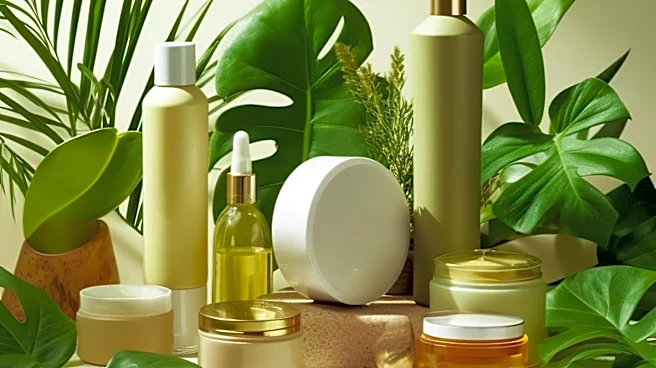
Plant-based dyes, such as indigo and blackcurrant skin extracts, offer a natural alternative to synthetic dyes. These dyes can provide semi-permanent color with high buildup on hair, giving an intense hue that is stable to multiple washes. The use of plant-based dyes reflects a growing interest in sustainable and eco-friendly beauty products.
Understanding the science behind hair coloring allows us to appreciate the complexity and innovation involved in achieving the perfect shade. Whether opting for permanent, demi-permanent, semi-permanent, or temporary color, the chemistry of synthetic dyes plays a crucial role in transforming our hair.