
"Puff, the Magic Dragon" is more than just a song; it is a cultural phenomenon that has sparked discussions and interpretations since its release. Written by Peter Yarrow and based on a poem by Leonard
Lipton, the song tells the story of a dragon named Puff and his human friend, Jackie Paper. This article explores the cultural impact of the song, including its interpretations and adaptations.
Interpretations and Controversies
Since its release in 1963, "Puff, the Magic Dragon" has been subject to various interpretations, some of which have sparked controversy. One of the most persistent rumors is that the song contains hidden references to drug use, particularly marijuana. This speculation began as early as 1964, with interpretations suggesting that the name "Jackie Paper" referred to rolling papers and "Puff" to taking a puff of a joint.
However, the song's creators, Peter Yarrow and Leonard Lipton, have consistently denied these claims. They have emphasized that the song is about the loss of childhood innocence and has no connection to drug use. Yarrow has described the drug-related interpretations as "sloppy research" and has maintained that the song's meaning is straightforward and innocent.
Adaptations and Media Presence
The cultural impact of "Puff, the Magic Dragon" extends beyond its initial release as a song. In 1978, it was adapted into an animated television special, which was followed by two sequels. These adaptations brought the story of Puff and Jackie to a new audience, further cementing the song's place in popular culture.
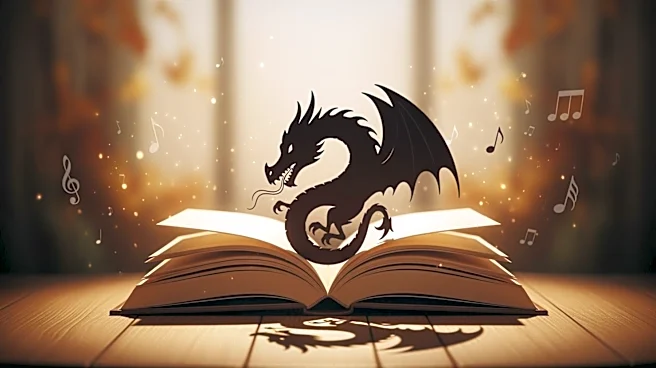
In 2007, the song was adapted into a children's book by Yarrow, Lipton, and illustrator Eric Puybaret. The book gave the story a happier ending, with a young girl, presumed to be Jackie Paper's daughter, becoming Puff's new companion. This adaptation introduced the story to a new generation of children, ensuring its continued relevance.
A Timeless Message
Despite the controversies and various interpretations, the core message of "Puff, the Magic Dragon" remains timeless. The song's themes of friendship, imagination, and the bittersweet nature of growing up resonate with audiences of all ages. Its gentle melody and heartfelt lyrics have made it a beloved classic in the folk music genre.
The enduring popularity of "Puff, the Magic Dragon" is a testament to its cultural significance. It continues to be a source of inspiration and nostalgia, reminding listeners of the magic and innocence of childhood. As new generations discover the song, its legacy as a cultural touchstone is assured.