







Kansas, often referred to as the "Sunflower State," is renowned for its vast agricultural landscape. As one of the most productive agricultural states in the United States, Kansas plays a crucial role in feeding the nation. This article explores the significance of agriculture in Kansas and how it has shaped the state's economy and identity.
The Breadbasket of the Nation
Kansas is a leading producer of several key crops, including wheat, corn, sorghum, and soybeans. The state's
fertile soil and favorable climate make it an ideal location for farming, and its central location in the U.S. allows for efficient distribution of agricultural products across the country.
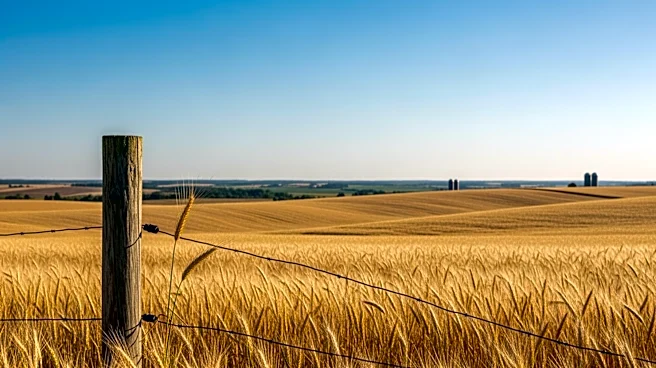
Wheat is perhaps the most iconic crop associated with Kansas, earning it the nickname "The Wheat State." Kansas produces a significant portion of the nation's wheat supply, with vast fields stretching across the state. This abundance of wheat has made Kansas a critical player in the global grain market, contributing to its reputation as the "breadbasket of the nation."
Economic Impact of Agriculture
Agriculture is a cornerstone of the Kansas economy, providing jobs and supporting local communities. The state's agricultural industry not only includes crop production but also livestock farming, with cattle and hogs being major contributors to the economy.
The economic impact of agriculture extends beyond the farm. Kansas is home to numerous agribusinesses, including food processing plants, grain elevators, and equipment manufacturers. These industries provide additional employment opportunities and contribute to the state's economic growth.
In addition to its economic benefits, agriculture in Kansas has a cultural significance. Farming is deeply ingrained in the state's identity, with generations of families working the land and passing down their knowledge and traditions. This connection to the land is celebrated in various cultural events and festivals throughout the state.
Challenges and Innovations
Despite its success, the agricultural industry in Kansas faces several challenges. Weather conditions, such as droughts and severe storms, can impact crop yields and livestock production. Additionally, fluctuations in global markets and trade policies can affect the profitability of Kansas farmers.
To address these challenges, Kansas has embraced innovation and technology in agriculture. Farmers are adopting precision agriculture techniques, utilizing data and technology to optimize crop production and reduce environmental impact. Research institutions, such as Kansas State University, play a vital role in advancing agricultural science and providing support to the farming community.
In conclusion, agriculture is an integral part of Kansas's economy and cultural identity. The state's commitment to innovation and sustainability ensures that it will continue to be a leader in the agricultural industry, providing food and resources to the nation and the world.