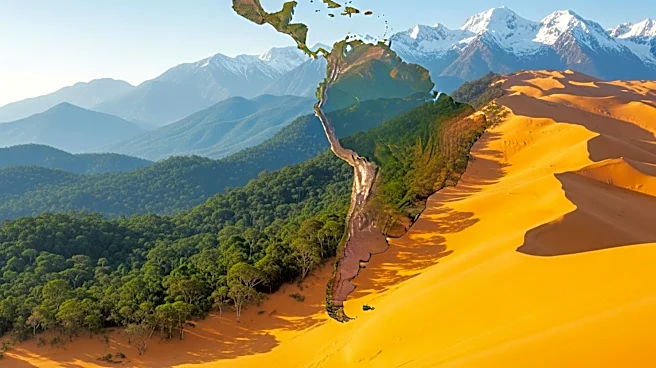


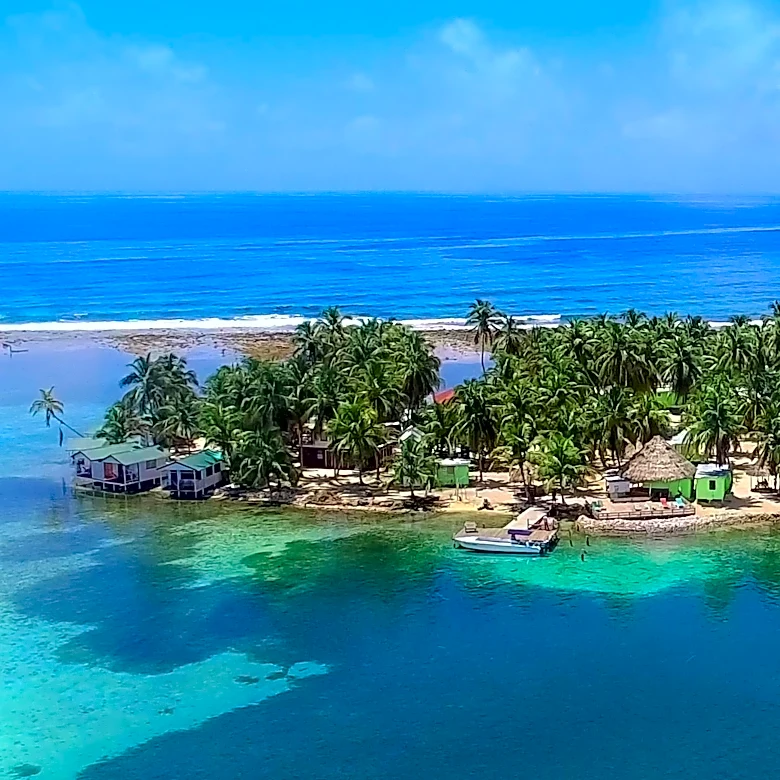







South America is a continent renowned for its breathtaking landscapes and diverse geographical features. From the lush Amazon rainforest to the towering Andes mountains, the continent offers a rich tapestry of natural wonders that captivate the imagination. This article delves into the unique geographical aspects of South America, highlighting its most iconic features and the role they play in shaping the continent's identity.
The Amazon Rainforest
The Amazon rainforest
is one of South America's most famous natural landmarks. Spanning several countries, including Brazil, Peru, and Colombia, it is the largest tropical rainforest in the world. The Amazon is home to an incredible diversity of flora and fauna, with thousands of species of plants, animals, and insects. Its dense canopy and rich biodiversity make it a vital component of the global ecosystem, playing a crucial role in regulating the Earth's climate and producing oxygen.
The Amazon River, which flows through the rainforest, is another remarkable feature. It is the largest river by discharge volume of water in the world, and its basin covers approximately 40% of the South American continent. The river and its tributaries are essential for transportation and sustenance for the indigenous communities living in the region.
The Andes Mountains
Stretching along the western edge of South America, the Andes mountains are the longest continental mountain range in the world. They extend over 4,300 miles from Venezuela in the north to Chile and Argentina in the south. The Andes are not only a geographical marvel but also a cultural and historical treasure, home to ancient civilizations like the Inca.
The Andes are characterized by their dramatic peaks and valleys, with Aconcagua in Argentina being the highest point at 22,841 feet. The mountain range influences the climate and weather patterns across the continent, creating diverse environments from arid deserts to fertile valleys. The Andes also provide resources such as minerals and water, which are vital for the economies of the countries they traverse.
Other Notable Features
South America is also home to other unique geographical features, such as the Atacama Desert in Chile, known as the driest non-polar desert in the world. Its stark landscape offers a contrast to the lushness of the Amazon. The continent also boasts the Pantanal, the world's largest tropical wetland area, which spans Brazil, Bolivia, and Paraguay.
Additionally, South America has the highest navigable lake in the world, Lake Titicaca, located on the border of Peru and Bolivia. This lake is not only a geographical wonder but also holds cultural significance for the indigenous peoples of the region.
South America's landscapes are as diverse as they are stunning, offering a glimpse into the natural beauty and ecological importance of the continent. These features are integral to the identity of South America, shaping its culture, economy, and environment.