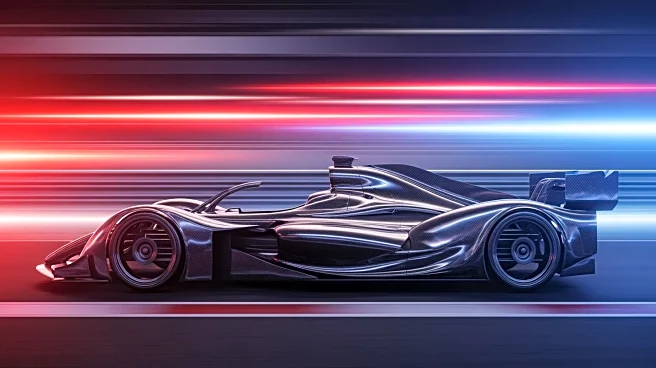




Group GT3 racing, known for its thrilling competition and diverse lineup of cars, has become a staple in the world of motorsport. This category, regulated by the Fédération Internationale de l'Automobile (FIA), was initially created to provide a more accessible entry point for manufacturers and teams into grand touring racing. Over the years, GT3 has evolved significantly, expanding its reach and influence across the globe.
The Birth of GT3
The concept of Group GT3
was introduced in 2005 by Stéphane Ratel, head of the SRO Motorsports Group. It was designed as a third tier in the grand touring motorsport hierarchy, sitting below the more demanding Group GT1 and GT2 categories. The idea was to create a category that would simplify the process for manufacturers by allowing existing cars from one-make series, such as the Porsche Supercup or Ferrari Challenge, to compete on a level playing field. This was achieved through strict control of performance by the FIA, ensuring that no single manufacturer could dominate the class.
The regulations and homologations for Group GT3 were ready by the start of the 2006 season, with eight manufacturers represented at the first Balance of Performance test. This marked the official debut of the FIA GT3 European Championship, setting the stage for GT3's rapid growth.
Expansion and Global Reach
Following its successful launch, Group GT3 quickly gained popularity. By 2007, the category had expanded with the introduction of new regional championships, including the Brazilian GT Championship and the German ADAC GT Masters. The British GT Championship also promoted GT3 to its premier category, further solidifying its status in the racing world.
The appeal of GT3 racing continued to grow, with the category being adopted by various national and international series. By 2011, GT3 cars were competing in endurance races such as the Blancpain Endurance Series and the 24 Hours Nürburgring. The category's expansion into the United States and Japan further demonstrated its global appeal, with GT3 cars participating in the Rolex Sports Car Series and the Japanese Super GT.
The Future of GT3
As GT3 racing continues to evolve, it remains a popular choice for manufacturers and teams looking to showcase their vehicles on the world stage. The introduction of new regulations and the ongoing development of cars ensure that the category remains competitive and exciting for fans and participants alike.
With its rich history and global reach, Group GT3 racing has firmly established itself as a key player in the world of motorsport. As the category continues to grow and adapt, it will undoubtedly remain a thrilling and dynamic part of the racing landscape for years to come.