



The Tomb of the Unknown Soldier at Arlington National Cemetery stands as a poignant symbol of sacrifice and honor. Established to commemorate unidentified soldiers who gave their lives in service, the tomb has become a central monument in American military history. This article delves into the historical development of the tomb, its significance, and the ceremonies that surround it.
Origins and Establishment
The idea of the Tomb of the Unknown Soldier was conceived in the aftermath
of World War I, a conflict that left many soldiers unidentified. In 1921, the United States Congress approved the burial of an unidentified American serviceman from World War I in the plaza of the new Memorial Amphitheater at Arlington National Cemetery. This decision was part of a broader movement to honor those who had fallen in battle without recognition.
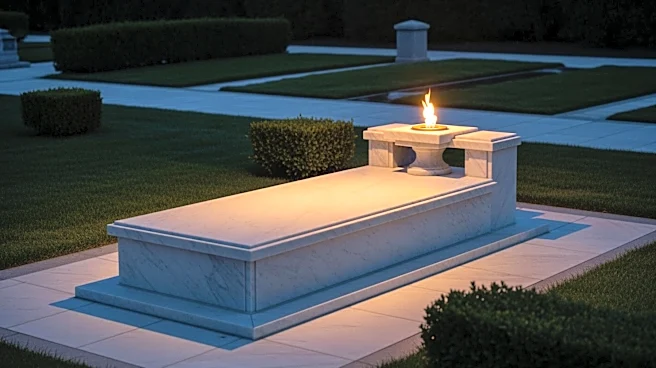
The tomb was initially marked by a simple marble slab, but plans for a more elaborate structure were soon underway. In 1928, a design competition was held, and the winning design by sculptor Thomas Hudson Jones and architect Lorimer Rich was selected. The completed tomb, featuring a marble sarcophagus, was dedicated in 1932, providing a dignified resting place for the unknown soldier.
Expansion and Additions
Over the years, the tomb has expanded to include unknown soldiers from subsequent conflicts. In 1958, the remains of unknown soldiers from World War II and the Korean War were interred in crypts beside the World War I soldier. These additions were part of a national effort to recognize the sacrifices made by American servicemen in these significant conflicts.
The Vietnam War also saw an unknown soldier interred at the site in 1984. However, advancements in DNA testing led to the identification of these remains in 1998 as those of First Lieutenant Michael Blassie. The crypt for the Vietnam Unknown now remains empty, serving as a reminder of the ongoing efforts to account for missing servicemen.
Ceremonies and Symbolism
The Tomb of the Unknown Soldier is guarded 24/7 by the U.S. Army's 3rd Infantry Regiment, known as "The Old Guard." The Changing of the Guard ceremony is a solemn event that draws visitors from around the world. This ceremony, conducted every half-hour in the summer and hourly in the winter, underscores the nation's commitment to honoring its fallen heroes.
The tomb's inscriptions and design elements carry deep symbolism. The east panel, facing Washington, D.C., features three Greek figures representing Peace, Victory, and Valor. The west panel bears the inscription: "Here rests in honored glory an American soldier known but to God," encapsulating the tomb's purpose as a tribute to all unknown soldiers.
The Tomb of the Unknown Soldier remains a powerful symbol of national gratitude and remembrance, reflecting the enduring respect for those who have served and sacrificed without recognition.