



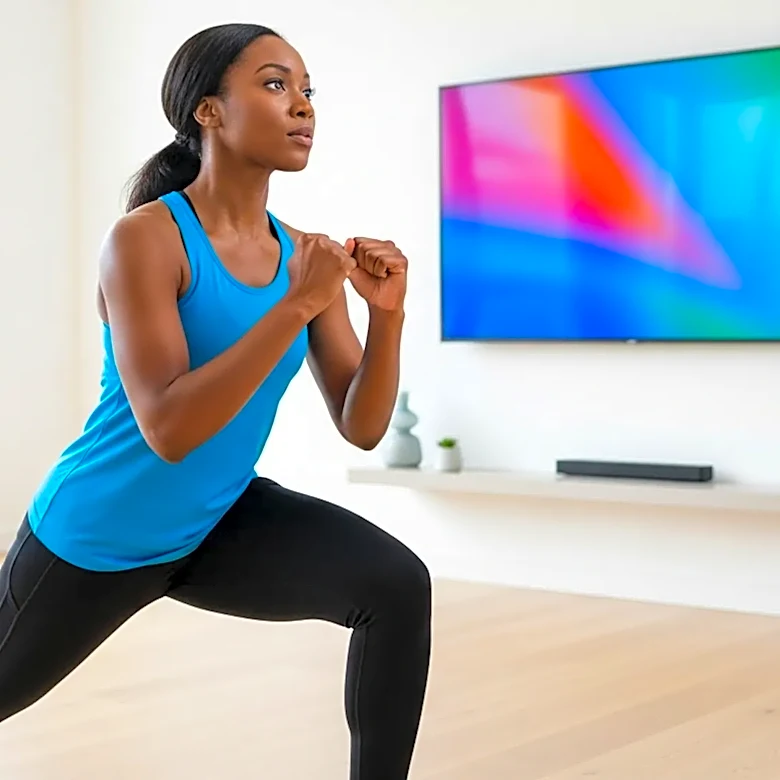





Dynamic flexibility is a crucial aspect of physical fitness that involves the ability to move joints through their full range of motion with speed and control. This form of flexibility is essential for athletes and individuals who engage in regular physical activity, as it prepares the body for exertion and enhances overall performance. In this article, we explore the concept of dynamic flexibility and its numerous benefits for physical health.
The Mechanics of Dynamic Flexibility
Dynamic
flexibility is defined by the ability to perform movements that require a full range of motion in the joints. This type of flexibility is achieved through active movements that involve the contraction and relaxation of muscles. Unlike static stretching, which involves holding a stretch for an extended period, dynamic flexibility focuses on movement and speed.
The mechanics of dynamic flexibility involve the release of energy with proper timing, allowing muscles to contract and control movement effectively. This process is essential for activities that require quick and precise movements, such as running, jumping, and changing direction. By improving dynamic flexibility, individuals can enhance their ability to perform these movements with greater efficiency and reduced risk of injury.
Preparing the Body for Physical Activity
One of the primary benefits of dynamic flexibility is its role in preparing the body for physical activity. Dynamic stretching, a key component of dynamic flexibility, increases blood and oxygen flow to the muscles, warming them up and making them more pliable. This preparation is crucial for preventing injuries and ensuring optimal performance during exercise.
Dynamic flexibility also helps to improve coordination and balance, which are essential for executing complex movements. By incorporating dynamic stretches into their warm-up routines, individuals can enhance their proprioception, or awareness of body position, leading to better control and stability during physical activity. This improved coordination is particularly beneficial for athletes who participate in sports that require agility and precision.
Long-Term Health Benefits
In addition to its immediate benefits for physical performance, dynamic flexibility also offers long-term health advantages. Regular practice of dynamic stretching can lead to increased joint mobility and muscle elasticity, which are important for maintaining overall physical health and preventing age-related decline in flexibility.
Dynamic flexibility can also contribute to improved posture and alignment, reducing the risk of musculoskeletal issues such as back pain and joint discomfort. By promoting better movement patterns and reducing muscle imbalances, dynamic flexibility supports the body's natural biomechanics and enhances overall well-being.
In conclusion, dynamic flexibility is a vital component of physical fitness that offers numerous benefits for both immediate performance and long-term health. By incorporating dynamic stretching into their routines, individuals can improve their range of motion, enhance coordination, and support overall physical health. As awareness of the importance of dynamic flexibility continues to grow, it is likely to become an integral part of fitness and wellness programs.