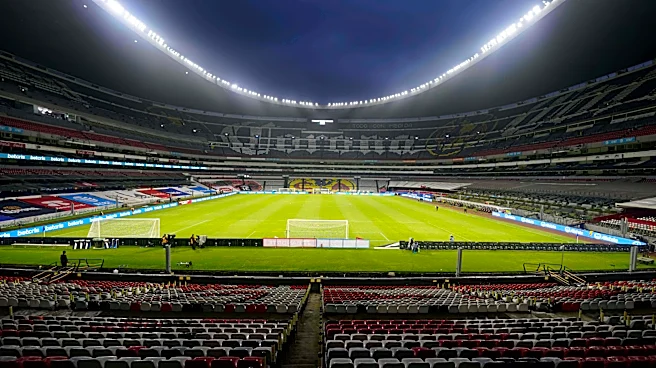

The 1954 FIFA World Cup final, held at the Wankdorf Stadium in Bern, Switzerland, is often referred to as the Miracle of Bern. This match saw West Germany defeat the heavily favored Hungarian team, known
as the Golden Team, in a stunning 3-2 victory. The result was not only a significant upset in the world of football but also a moment of national pride and resurgence for West Germany in the post-war era.
The Road to the Final
Hungary entered the 1954 World Cup as the favorites, having remained unbeaten for five years and boasting a team full of legendary players. They had already defeated West Germany 8-3 in the group stage, further solidifying their status as the team to beat. West Germany, on the other hand, was seen as an outsider, with a team composed of semi-professional players who had limited international exposure.
Despite their underdog status, West Germany advanced through the knockout stages, defeating Yugoslavia and Austria to reach the final. Hungary, meanwhile, continued their dominant form, overcoming Brazil in the infamous Battle of Berne and defeating Uruguay in the semi-finals. The stage was set for a rematch between the two teams, with Hungary expected to claim the title.
The Final Showdown
The final match was played in heavy rain, conditions that seemed to favor the German team. Hungary took an early lead, scoring two goals within the first eight minutes. However, West Germany quickly responded, leveling the score by halftime. The match was fiercely contested, with both teams creating numerous chances.
In the 84th minute, Helmut Rahn scored the decisive goal for West Germany, securing a 3-2 victory. The win was a monumental achievement for the German team, marking their first World Cup title. The match is remembered not only for the unexpected result but also for the high level of skill and determination displayed by both teams.
Impact and Legacy
The Miracle of Bern had a profound impact on both West Germany and Hungary. For West Germany, the victory was a symbol of national recovery and pride, helping to restore international recognition and confidence in the post-war period. The win marked the beginning of West Germany's rise as a footballing powerhouse, with subsequent World Cup victories in 1974, 1990, and 2014.
For Hungary, the loss was a significant blow, ending the Golden Team's unbeaten run and marking the beginning of a decline in their footballing fortunes. The match also had broader historical implications, contributing to discontent with Hungary's communist regime and playing a role in the events leading up to the 1956 Hungarian revolution.
The 1954 World Cup final remains one of the most memorable matches in football history, celebrated for its drama, skill, and the unexpected triumph of the underdog. The Miracle of Bern continues to be a source of inspiration and pride for Germany, symbolizing the power of determination and resilience in the face of adversity.