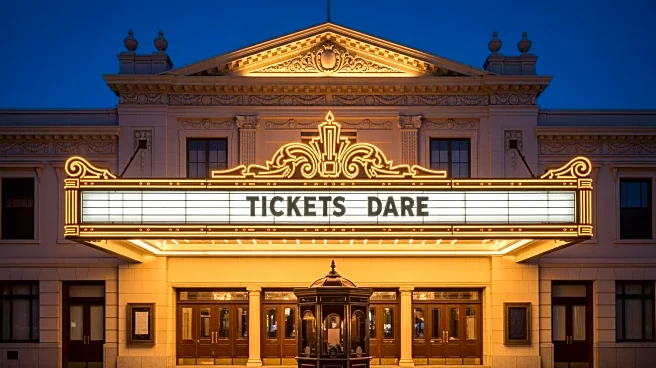




The Broadway Theatre, located in the heart of Manhattan, New York, has been a cornerstone of the city's vibrant theater district since its opening in 1924. Designed by Eugene De Rosa, this iconic venue has hosted a myriad of performances, from musicals to operas, and has undergone several transformations over the decades. This article delves into the rich history of the Broadway Theatre, highlighting key milestones and changes that have shaped its legacy.
The Early Years
The Broadway Theatre was originally opened as B.S. Moss's Colony Theatre on Christmas Day in 1924. Initially leased to Universal Pictures Corporation, it was designed in the Italian Renaissance style, featuring brick and terracotta facades. The theater was intended for movies and vaudeville, but soon transitioned to hosting legitimate shows. In 1930, after a renovation that expanded the auditorium, it was renamed the Broadway Theatre. The first legitimate show to grace its stage was Cole Porter's "The New Yorkers," marking the beginning of its journey as a prominent venue for theatrical productions.
Throughout the 1930s, the Broadway Theatre saw a variety of performances, including musical revues and operas. Notable productions during this era included "The Earl Carroll Vanities" and "The O'Flynn," although not all were successful. The theater also briefly returned to showing films, such as Charlie Chaplin's "Monsieur Verdoux," before settling into its role as a legitimate theater.
Mid-Century Transformations
The 1940s and 1950s were transformative years for the Broadway Theatre. It became known for hosting long-running musicals that transferred from other theaters, such as "Too Many Girls" and "Carmen Jones." The Shubert family acquired the theater in 1943, solidifying its status as a legitimate venue. During this period, the theater also hosted notable plays like "The Tempest" and "Memphis Bound!"
In the late 1950s, the Broadway Theatre underwent another significant change when it was leased to Cinerama Productions, which installed a wide screen for Cinerama films. This venture was short-lived, and the theater returned to hosting live performances, including the final shows of the musical "South Pacific."
Modern Era and Renovations
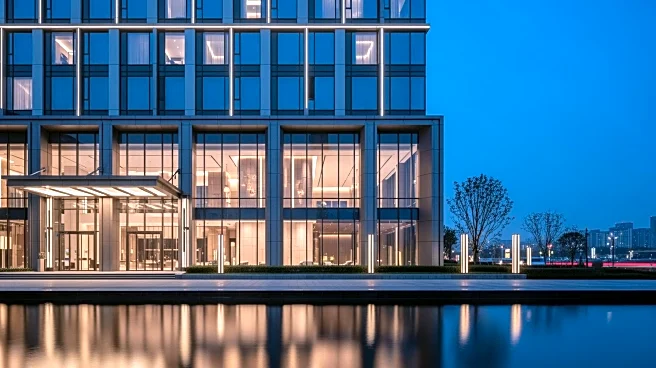
The Broadway Theatre continued to evolve in the latter half of the 20th century. In the 1980s, the Shubert Organization leased the theater's site to the Rudin Organization, leading to the construction of the 1675 Broadway office building. The theater's interior was renovated, enhancing its capacity and modernizing its design.
Throughout the years, the Broadway Theatre has hosted numerous successful productions, including "Les Misérables" and "Miss Saigon." Despite challenges, such as the COVID-19 pandemic, the theater remains a vital part of New York's cultural landscape, continuing to attract audiences with its diverse array of performances.