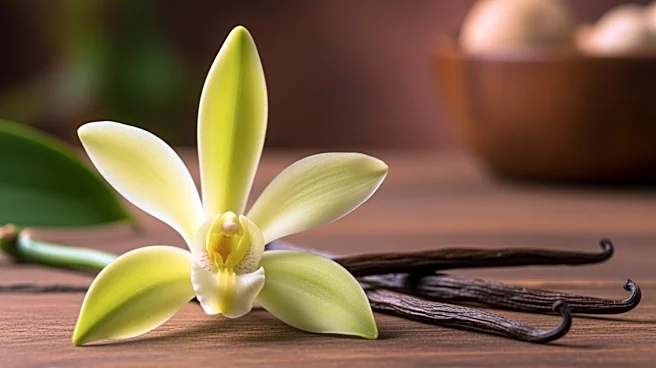









Vanilla planifolia, a species of vanilla orchid, is not only a key ingredient in the culinary world but also a significant economic commodity. Its cultivation and trade have had profound economic and cultural impacts in various regions globally. This article explores the economic importance and cultural influence of Vanilla planifolia, highlighting its role in shaping local economies and traditions.
Economic Significance of Vanilla planifolia
Vanilla planifolia is a major source of vanilla flavoring,
which is highly valued in the food and beverage industry. The plant's cultivation is labor-intensive, requiring specific growing conditions and hand-pollination, which contribute to its status as one of the most expensive spices in the world. Despite these challenges, the demand for natural vanilla remains high, driving significant economic activity in regions where it is cultivated.
Madagascar and Indonesia are the leading producers of Vanilla planifolia, accounting for a substantial portion of the global supply. The vanilla industry is a vital part of these countries' economies, providing employment and income for thousands of farmers and workers. The high market value of vanilla has also attracted investment and development in these regions, further boosting their economic growth.
Cultural Influence and Traditions
The cultural impact of Vanilla planifolia extends beyond its economic significance. In its native regions, such as Mexico, the plant has been an integral part of local traditions and practices for centuries. The Totonac people, who were among the first to cultivate vanilla, used it in religious ceremonies and as a symbol of good luck.
In modern times, vanilla continues to hold cultural significance in various parts of the world. It is a staple ingredient in many traditional dishes and desserts, contributing to the culinary heritage of different cultures. The unique flavor and aroma of vanilla have also made it a popular choice in the fragrance and cosmetics industries, further cementing its cultural influence.
Challenges and Opportunities
While Vanilla planifolia has brought economic and cultural benefits to many regions, it also faces challenges that threaten its sustainability. The genetic bottleneck resulting from clonal propagation raises concerns about the plant's vulnerability to diseases and environmental changes. Additionally, fluctuations in market prices and the rise of synthetic vanilla alternatives pose challenges for producers.
To address these issues, efforts are being made to promote sustainable cultivation practices and diversify the genetic pool of Vanilla planifolia. These initiatives aim to ensure the long-term viability of the vanilla industry and preserve the cultural heritage associated with this valuable plant.
In conclusion, Vanilla planifolia plays a crucial role in the global economy and cultural landscape. Its economic significance and cultural influence continue to shape the regions where it is cultivated, highlighting the importance of sustainable practices to secure its future.