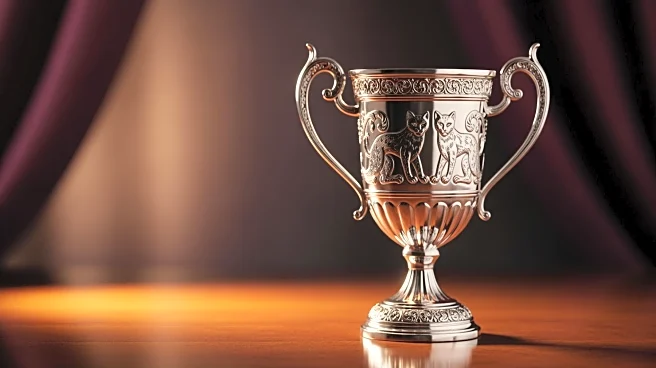



Cat shows have a rich history that dates back to the 19th century, evolving significantly over time. These events have become a staple in the world of pet enthusiasts, showcasing the beauty and diversity of feline breeds. The journey of cat shows from their humble beginnings to the grand events they are today is a fascinating tale of tradition, competition, and community.
The Birth of Cat Shows
The first cat show took place in 1871 at the Crystal Palace in London, organized
by Harrison Weir. This event marked the beginning of a new era for cat enthusiasts, providing a platform for showcasing various breeds and promoting the appreciation of cats. The show was a judged event where cats competed based on breed standards, setting the foundation for future competitions.
Initially, these shows were relatively simple, focusing on the physical attributes of the cats. Pedigreed cats were judged against breed standards, while non-pedigreed cats, often referred to as moggies, were evaluated based on their temperament. This format allowed for a wide range of cats to participate, fostering a sense of inclusivity within the cat-loving community.
Expansion and Global Reach
As cat shows gained popularity, they began to spread beyond the United Kingdom. The first cat show in the United States was held in 1895 at Madison Square Garden in New York City. This event signaled the growing interest in cat shows across the Atlantic, leading to the establishment of various cat registering organizations.
In Australia, cat shows adopted unique formats, such as closed and open style judging. Closed shows required owners to leave the hall during judging, while open shows allowed them to stay and interact with judges. This variation in judging styles highlighted the adaptability of cat shows to different cultural contexts and preferences.
Modern Cat Shows and Their Significance
Today, cat shows are held worldwide, with events like the Supreme Cat Show in England drawing significant attention. These shows have evolved into elaborate competitions featuring multiple rings and categories, such as "All Breed" and "Specialty" rings. Cats are judged by multiple judges, each providing independent scores, which are then tallied to determine winners.
The modern cat show is not just about competition; it is a celebration of feline diversity and a gathering of enthusiasts who share a passion for cats. These events provide an opportunity for breeders to showcase their work, for owners to learn more about their pets, and for the public to appreciate the beauty and variety of cats.
Cat shows have come a long way since their inception in 1871, evolving into complex and celebrated events that continue to captivate audiences around the world. They remain a testament to the enduring bond between humans and their feline companions.