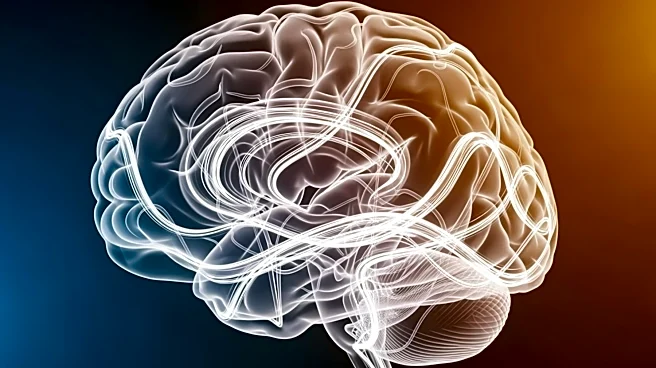






Autoregulation is a critical mechanism that ensures stable cerebral blood flow during exercise. This process is essential for maintaining cognitive function and preventing potential impairments during physical activity. Understanding how autoregulation affects cerebral blood flow can help athletes and trainers optimize performance and minimize risks associated with exercise.
The Importance of Cerebral Autoregulation
Cerebral autoregulation is vital for maintaining a consistent blood supply
to the brain during exercise. The brain requires a steady flow of oxygen and nutrients to function properly, and any disruption can lead to cognitive impairments. During submaximal exercise, cardiac output increases, resulting in an increase in cerebral blood flow. However, during maximal exertion, the brain's blood supply may be compromised, highlighting the importance of autoregulation.
In warm environments, cerebral autoregulation can be impaired, leading to potential cognitive impairments. This is particularly concerning for athletes who train or compete in hot conditions. Understanding the role of autoregulation in maintaining cerebral blood flow can help athletes develop strategies to optimize performance and minimize the risk of cognitive impairments during exercise.
Autoregulation and Exercise-Induced Cognitive Impairments
Exercise-induced cognitive impairments can occur when cerebral autoregulation is compromised. This can happen during intense exercise or in warm environments where the brain's blood supply is affected. Cognitive impairments can manifest as difficulties in concentration, decision-making, and overall mental performance.
Athletes need to be aware of the potential for cognitive impairments during exercise and take steps to mitigate these risks. This may involve adjusting training routines, incorporating rest periods, and ensuring proper hydration and nutrition. By understanding the impact of autoregulation on cerebral blood flow, athletes can develop strategies to maintain cognitive function and optimize performance.
Strategies for Optimizing Cerebral Autoregulation
To optimize cerebral autoregulation during exercise, athletes can focus on several key strategies. First, maintaining proper hydration and nutrition is essential for supporting blood flow and cognitive function. Additionally, athletes can incorporate rest periods into their training routines to allow for recovery and prevent cognitive impairments.
Training in varied environmental conditions can also help athletes adapt to different challenges and enhance their autoregulatory mechanisms. By understanding the role of autoregulation in cerebral blood flow, athletes and trainers can work together to develop effective strategies for optimizing performance and minimizing risks during exercise.