







Licorice, derived from the root of the Glycyrrhiza glabra plant, is a well-known flavoring agent used in a variety of products. This plant, native to regions such as West Asia and Southern Europe, has a root that is prized for its sweet, aromatic qualities. The journey from root to flavor involves several steps, each contributing to the final product that is enjoyed in confectionery, beverages, and more. This article explores the transformation of licorice
root into a widely used flavoring agent.
Harvesting the Root
The process begins with the cultivation of the licorice plant, which thrives in well-drained soils and full sun. The plant is typically harvested in the autumn, two to three years after planting. This waiting period allows the roots to mature and develop the compounds that give licorice its distinctive flavor. Countries like Turkey, Greece, Iran, and Iraq are known for their licorice production, thanks to their favorable growing conditions.
Once harvested, the roots are cleaned and prepared for extraction. The roots are stoloniferous, meaning they spread horizontally, which can make harvesting a labor-intensive process. However, this extensive root system is crucial for producing the sweet flavor that licorice is known for.
Extracting the Flavor
The key to licorice's sweetness lies in a compound called glycyrrhizin, which is found in the root. This compound is 30 to 50 times sweeter than sugar, making it a potent flavoring agent. To extract this sweetness, the roots undergo a process that involves crushing and boiling them to release the glycyrrhizin. The resulting extract is then concentrated and purified to create a product that can be used in various applications.
In addition to glycyrrhizin, the root contains other compounds such as triterpenoids, polyphenols, and flavonoids, which contribute to its unique properties. These compounds not only enhance the flavor but also add to the root's color and aroma, making it a versatile ingredient in the food industry.
Applications in Food and Beyond
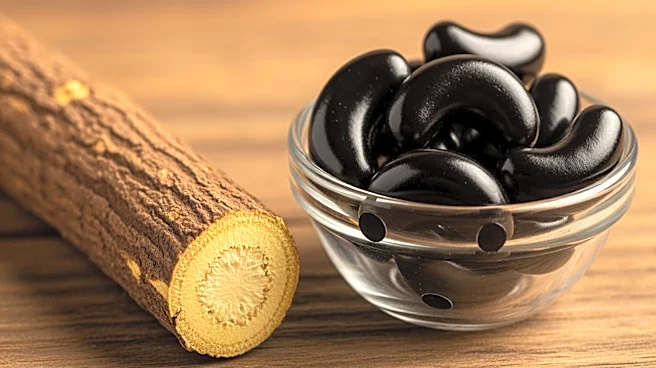
Licorice extract is used in a wide range of products, from candies and sweets to beverages and even tobacco. In confectionery, the extract is often combined with aniseed oil to enhance the flavor, resulting in the familiar taste of licorice candy. In some cultures, licorice is also used in its natural form, with the root being chewed as a mouth freshener.
Beyond food, licorice is used in pharmaceuticals and traditional medicine, valued for its potential health benefits. However, it is important to consume licorice in moderation, as excessive intake can lead to health issues such as hypertension and low potassium levels.
In summary, the transformation of licorice root into a flavoring agent is a complex process that highlights the plant's unique properties. From its cultivation and harvesting to extraction and application, each step plays a crucial role in delivering the sweet, aromatic flavor that licorice is known for.