
Cake making is both an art and a science, requiring a delicate balance of ingredients and techniques to achieve the perfect texture and flavor. From the choice of flour to the method of leavening, each
element plays a crucial role in the final product. This article explores the intricacies of cake making, highlighting the key components and methods that contribute to the creation of this beloved dessert.
Ingredients and Their Roles
The foundation of any cake is its ingredients, each serving a specific purpose in the baking process. The most common ingredients include flour, sugar, eggs, fat (such as butter or oil), a liquid, and a leavening agent like baking soda or baking powder. Flour provides structure, while sugar adds sweetness and helps with browning. Eggs contribute to the cake's texture and stability, and fat adds moisture and richness.
In addition to these basic components, cakes can be enhanced with various flavorings and add-ins. Dried, candied, or fresh fruit, nuts, cocoa, and extracts like vanilla are popular choices. These ingredients not only add flavor but also contribute to the cake's overall texture and appearance.
Techniques and Methods
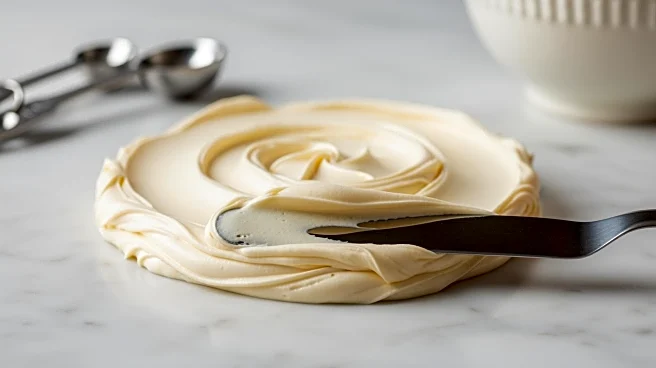
The method of mixing and baking a cake is just as important as the ingredients themselves. One common technique is the creaming method, where butter and sugar are beaten together until light and fluffy, incorporating air into the batter. This method is often used for butter cakes, which rely on the combination of butter and sugar for leavening.
Sponge cakes, on the other hand, are made by whipping eggs and sugar to create a light, airy texture. These cakes are leavened primarily by the air trapped in the beaten eggs, sometimes with the addition of a chemical leavener. The French Génoise and the American chiffon cake are examples of sponge cakes, each with its unique characteristics and preparation methods.
The Science Behind Baking
Baking a cake is a scientific process that involves precise measurements and careful control of temperature and time. The interaction between ingredients, such as the reaction between baking soda and an acidic component, creates carbon dioxide gas, which helps the cake rise. The Maillard reaction, a chemical reaction between amino acids and reducing sugars, contributes to the cake's browning and flavor development.
Understanding the science behind cake making allows bakers to experiment with different ingredients and techniques, resulting in a wide variety of cakes with unique flavors and textures. Whether it's a classic pound cake or a modern flourless chocolate cake, the art and science of cake making continue to inspire creativity and innovation in the kitchen.