


Front-wheel drive (FWD) is a popular choice in automotive design, offering several advantages that have made it a preferred layout for many manufacturers. However, like any engineering solution, it comes with its own set of challenges. Understanding these pros and cons is crucial for consumers and engineers alike.
Advantages of Front-Wheel Drive
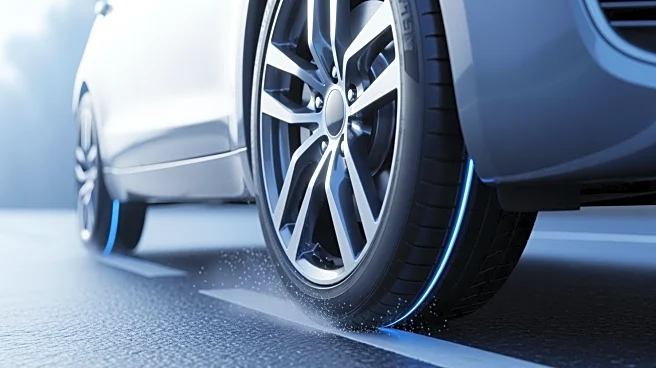
One of the primary benefits of FWD is its ability to provide better traction in adverse weather conditions. By transmitting power to the front
wheels, which bear the weight of the engine, FWD vehicles can maintain grip on wet or snowy roads more effectively than rear-wheel drive counterparts. This makes FWD particularly appealing in regions with harsh winters.
FWD also contributes to more efficient use of space within a vehicle. The layout allows for a more compact design, freeing up interior space for passengers and cargo. This efficiency is further enhanced by the use of a transverse engine, which reduces drivetrain weight and space requirements. As a result, FWD vehicles can be smaller and lighter, improving fuel economy without sacrificing performance.
Challenges and Limitations
Despite its advantages, FWD is not without its drawbacks. One significant challenge is the uneven weight distribution it can cause. With the engine and transmission located at the front, FWD vehicles may experience understeer, where the front wheels lose grip during sharp turns. This can affect handling and stability, particularly at high speeds.
Another limitation is the potential for torque steer, a phenomenon where the steering wheel pulls to one side under heavy acceleration. This occurs because the power is delivered unevenly to the front wheels, which can be disconcerting for drivers. Manufacturers have developed various solutions to mitigate torque steer, but it remains a consideration for high-performance FWD models.
Balancing Benefits and Drawbacks
The decision to use FWD in vehicle design involves balancing its benefits against its challenges. For many manufacturers, the advantages of improved traction, space efficiency, and cost-effectiveness outweigh the drawbacks. As a result, FWD has become a standard in the automotive industry, particularly for compact and mid-sized cars.
Ultimately, the choice between FWD and other layouts depends on the specific needs and preferences of consumers. While FWD offers practical benefits for everyday driving, those seeking high-performance or off-road capabilities may opt for alternative configurations. Understanding these trade-offs is key to making informed decisions in the automotive market.