


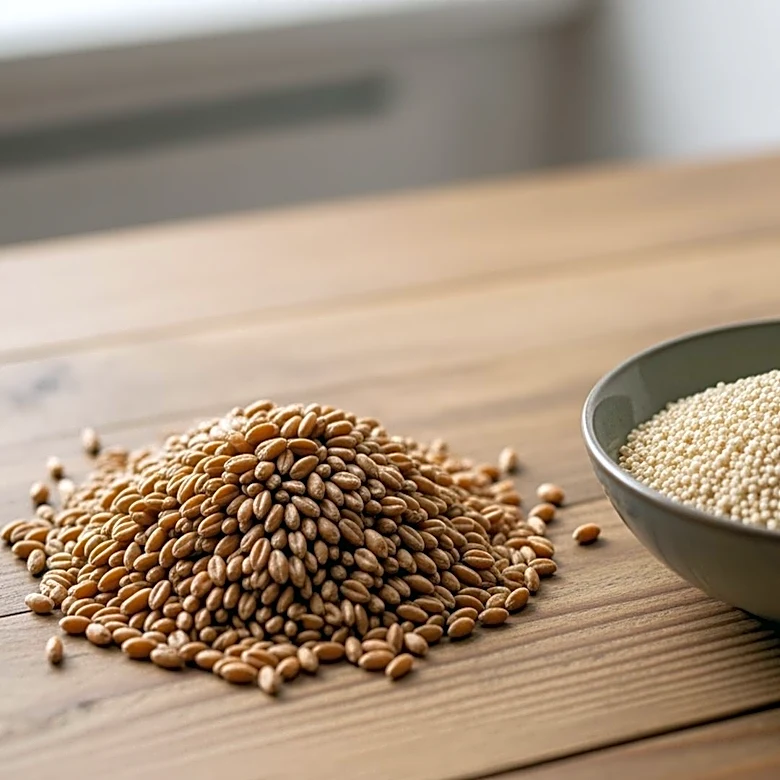




Celiac disease is a chronic autoimmune disorder triggered by the ingestion of gluten, a protein found in wheat, barley, and rye. For individuals with celiac disease, consuming gluten leads to inflammation and damage in the small intestine, resulting in a range of symptoms and potential long-term health complications. The only effective treatment for celiac disease is a strict gluten-free diet, which helps manage symptoms and prevent further intestinal
damage. This article explores the role of gluten-free diets in treating celiac disease and their effectiveness.
Understanding Celiac Disease
Celiac disease affects approximately 1-2% of the global population, although many cases remain undiagnosed. It is characterized by an immune response to gluten that damages the lining of the small intestine, leading to malabsorption of nutrients. Symptoms of celiac disease can vary widely and may include gastrointestinal issues such as diarrhea, abdominal pain, and bloating, as well as non-gastrointestinal symptoms like anemia, osteoporosis, and fatigue.
Diagnosis of celiac disease typically involves serological tests for specific antibodies and a biopsy of the small intestine to assess damage. Genetic testing for HLA-DQ2 and HLA-DQ8 alleles can also support the diagnosis, as these genetic markers are present in most individuals with celiac disease.
Implementing a Gluten-Free Diet
For those diagnosed with celiac disease, adhering to a gluten-free diet is crucial. This involves eliminating all sources of gluten from the diet, including wheat, barley, rye, and their derivatives. Foods that are naturally gluten-free, such as fruits, vegetables, meat, fish, and dairy, form the basis of the diet. Gluten-free grains like rice and corn, as well as pseudocereals like quinoa and buckwheat, are also included.
Processed foods require careful scrutiny, as gluten is often used as an additive. Reading labels and choosing products specifically labeled as gluten-free can help avoid accidental gluten consumption. Cross-contamination is another concern, particularly in shared cooking environments, so individuals with celiac disease must be vigilant about food preparation and storage.
Effectiveness and Challenges
A gluten-free diet is highly effective in managing celiac disease, with most individuals experiencing symptom improvement and intestinal healing over time. However, adherence to the diet can be challenging due to the prevalence of gluten in many foods and the risk of cross-contamination. Social situations, dining out, and travel can also pose difficulties for maintaining a strict gluten-free diet.
Despite these challenges, the benefits of a gluten-free diet for individuals with celiac disease are significant. It not only alleviates symptoms but also reduces the risk of long-term complications such as nutritional deficiencies, osteoporosis, and certain cancers. Ongoing support from healthcare professionals and dietitians can help individuals with celiac disease successfully navigate the gluten-free diet and maintain their health.