


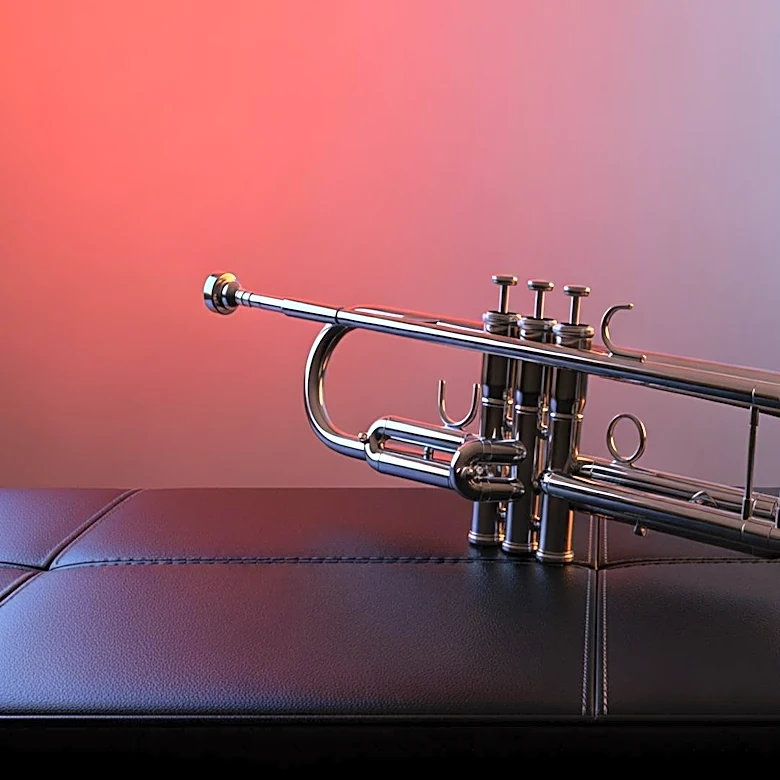




Miles Davis, a pivotal figure in the world of jazz, made a significant mark with his album 'Birth of the Cool.' This compilation, released in 1957, was a collection of tracks recorded in 1949 and 1950 that showcased a new direction in jazz music. The album is renowned for its innovative arrangements and the introduction of cool jazz, a style that diverged from the fast-paced bebop that dominated the era.
The Formation of a New Sound
In the late 1940s, Miles Davis was part of Charlie
Parker's quintet, where he honed his skills in bebop. However, Davis was not content with the limitations of bebop's speed and complexity. He sought a new sound that would allow for more lyrical improvisation and a richer harmonic palette. This quest led him to collaborate with arranger Gil Evans and other like-minded musicians in New York City. Evans's apartment became a hub for these musicians, who were eager to explore new musical ideas.
The group that emerged from these gatherings was a nonet, featuring unusual instrumentation for jazz at the time, including a French horn and tuba. This ensemble allowed for a blending of sounds that was more akin to a choir than the traditional jazz band setup. The music they created was characterized by slower tempos and a focus on harmony and texture, setting the stage for what would become known as cool jazz.
Recording 'Birth of the Cool'
The nonet recorded twelve tracks over three sessions for Capitol Records. These sessions were spread over a year and a half, with the first taking place in January 1949. The recordings featured compositions and arrangements by Gerry Mulligan, John Lewis, and Gil Evans, among others. The tracks were initially released as singles and later compiled into the 'Birth of the Cool' album.
The album's music was a departure from the frenetic energy of bebop. It featured a more relaxed and melodic approach, with intricate arrangements that highlighted the unique instrumentation of the nonet. Tracks like "Move" and "Boplicity" exemplified this new style, with their rich harmonies and smooth, flowing lines.
Legacy and Influence
'Birth of the Cool' was not an immediate commercial success, but its influence on jazz was profound. It marked the beginning of the cool jazz movement, which would gain popularity in the 1950s. The album's innovative approach to arrangement and instrumentation inspired a new generation of jazz musicians and composers.
Miles Davis's work on 'Birth of the Cool' set the stage for his future explorations in jazz, including his later ventures into modal jazz and jazz fusion. The album remains a landmark in jazz history, celebrated for its creativity and its role in shaping the direction of modern jazz.