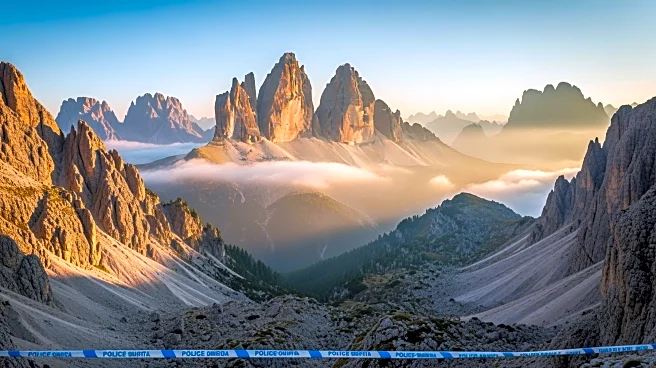




The Andes mountain range is a breathtaking natural wonder that stretches approximately 7,000 kilometers along the western edge of South America. As the longest continental mountain range in the world, the Andes traverse seven countries, offering a diverse array of landscapes, climates, and cultural experiences. This article takes you on a journey through the Andes, exploring its geographical features, historical significance, and the vibrant cultures
that call this mountain range home.
Geographical Features of the Andes
The Andes are a complex system of mountain ranges, high plateaus, and deep valleys. The range is divided into three main sections: the Southern Andes in Argentina and Chile, the Central Andes in Bolivia and Peru, and the Northern Andes in Colombia, Ecuador, and Venezuela. Each section has its own unique characteristics, from the arid high plains of the Altiplano to the lush cloud forests on the eastern slopes.
The Andes are home to some of the highest peaks outside of Asia, with Aconcagua in Argentina being the tallest at 6,961 meters. The range also boasts several active volcanoes, including Ojos del Salado on the Chile-Argentina border, which is the world's highest volcano. The diverse climates and ecosystems of the Andes support a wide variety of flora and fauna, making it a hotspot for biodiversity.
Cultural and Historical Significance
The Andes have been a cradle of civilization for thousands of years, with indigenous peoples such as the Incas building their empires in these rugged terrains. The Incas are renowned for their advanced engineering and agricultural techniques, including the construction of terraces and aqueducts that allowed them to thrive in the mountainous environment.
Today, the Andes continue to be a vital part of the cultural identity of the region. The range is home to numerous indigenous communities that maintain their traditional ways of life, including the Quechua and Aymara peoples. Festivals, music, and crafts are integral to the cultural fabric of the Andes, offering a rich tapestry of experiences for visitors.
Economic and Environmental Importance
The Andes play a crucial role in the economies of the countries they traverse. The range is rich in natural resources, including minerals such as copper, silver, and gold. Mining is a significant industry in the Andes, contributing to the economic development of the region. Additionally, the Andes are a major source of water for the surrounding areas, with glaciers and rivers providing essential resources for agriculture and human consumption.
Tourism is another important economic driver, with visitors drawn to the Andes for its stunning landscapes, outdoor activities, and cultural heritage. From trekking in the highlands to exploring ancient ruins, the Andes offer a wealth of opportunities for adventure and discovery.
The Andes are not just a geographical feature; they are a living, breathing entity that shapes the lives of millions of people. As we journey through this majestic mountain range, we are reminded of the beauty and resilience of nature and the enduring spirit of the cultures that call the Andes home.