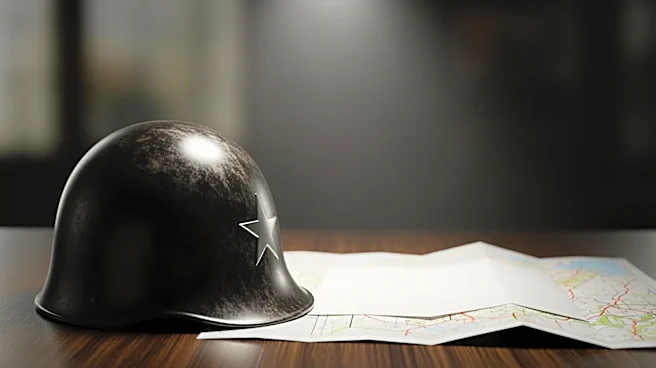

World War II in Europe reached its conclusion in May 1945, marking the end of a devastating conflict that had engulfed the continent for nearly six years. The final days were characterized by intense battles,
strategic maneuvers, and the eventual surrender of Nazi Germany. This article delves into the key events that led to the cessation of hostilities in Europe, highlighting the pivotal moments that brought the war to a close.
The Fall of Berlin
The Battle of Berlin was one of the last major offensives in the European theater. Soviet forces, under the command of Marshal Georgy Zhukov, launched a massive assault on the German capital in April 1945. The city was encircled, and fierce fighting ensued as the Soviets pushed through the German defenses. The battle was marked by heavy casualties on both sides, with the Soviets determined to capture Berlin and bring an end to Nazi rule.
As Soviet troops advanced, Adolf Hitler, realizing the inevitability of defeat, committed suicide in his bunker on April 30, 1945. His death marked a significant turning point, as the German leadership began to crumble. On May 2, the remaining German forces in Berlin surrendered to the Soviets, effectively sealing the fate of the Third Reich.
Germany's Unconditional Surrender
Following the fall of Berlin, the German military was in disarray, and the Allies pressed forward with their demands for unconditional surrender. On May 7, 1945, General Alfred Jodl, representing the German High Command, signed the unconditional surrender document at the Allied headquarters in Reims, France. This surrender was to take effect on May 8, marking Victory in Europe Day (VE Day).
The surrender was a culmination of relentless Allied pressure from both the Western and Eastern fronts. The Allies had successfully encircled and defeated German forces, leaving them with no option but to capitulate. The signing of the surrender document signified the end of active combat operations in Europe, although some isolated skirmishes continued for a few days.
The Aftermath and Celebration
With the official end of hostilities, celebrations erupted across Europe and the United States. VE Day was marked by jubilant crowds taking to the streets, celebrating the hard-won peace. In London, Prime Minister Winston Churchill addressed the nation, acknowledging the sacrifices made and the victory achieved.
The end of the war in Europe also set the stage for the post-war reconstruction and the establishment of new political orders. The Allies began the process of rebuilding war-torn regions and addressing the humanitarian crises that had arisen from years of conflict. The conclusion of World War II in Europe was a momentous occasion, signaling a new era of peace and cooperation among nations.