





Chewing, or mastication, is a distinctive feature of mammals, setting them apart from other animal groups. This process involves the mechanical breakdown of food using specialized teeth, allowing for more efficient digestion and nutrient absorption. While some fish species exhibit similar behaviors, true mastication is unique to mammals. This article explores the significance of chewing as a mammalian trait and its absence in other animal groups.
The Mammalian Adaptation of Chewing
Mastication is primarily a mammalian adaptation that appeared in early Synapsids, the ancestors of modern mammals. This evolutionary development allowed these creatures to process food more efficiently, giving them a survival advantage. The evolution of specialized teeth was a key factor in the development of chewing, enabling mammals to grind and crush food, facilitating the breakdown of complex plant materials and other tough substances.
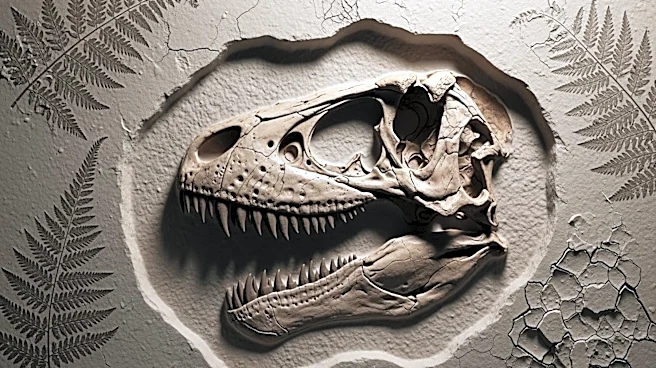
The ability to chew allowed mammals to exploit a wider range of food sources, contributing to their evolutionary success. This adaptation is particularly important for herbivorous mammals, which rely on chewing to break down fibrous plant materials and extract nutrients. Some later herbivorous dinosaurs also developed chewing mechanisms, although they are now extinct.
The Absence of Chewing in Other Animal Groups
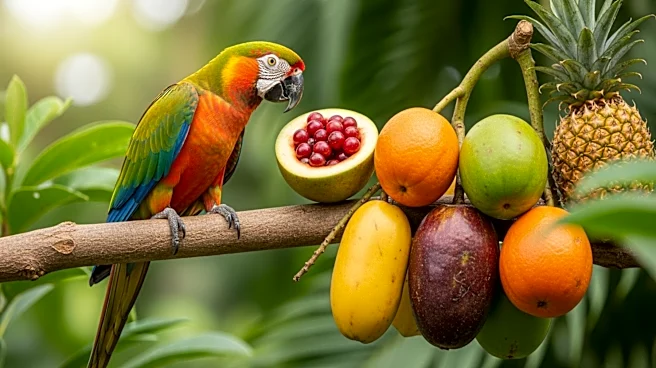
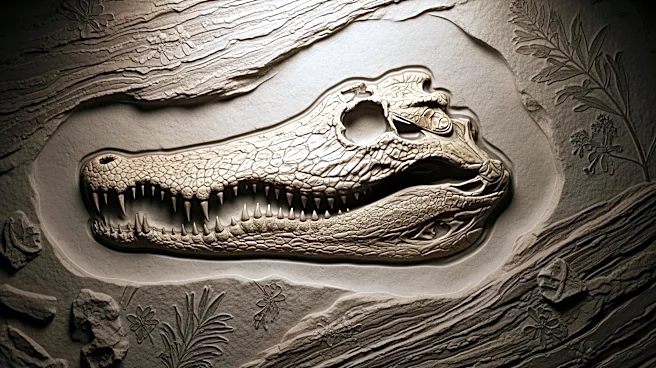
While chewing is a common behavior among mammals, it is notably absent in other animal groups such as birds, amphibians, and reptiles. These animals have evolved different strategies for processing food, often relying on swallowing food whole or using other methods to break it down. For example, birds have gizzards that grind food, while reptiles often swallow prey whole and rely on strong stomach acids to digest it.
The absence of chewing in these groups highlights the uniqueness of this trait in mammals. It also underscores the importance of mastication in the dietary habits and survival strategies of mammals, allowing them to efficiently process a wide range of food sources.
The Broader Implications of Chewing
Chewing has broader implications for mammalian health and survival beyond its role in digestion. It stimulates the production of saliva, which contains enzymes that begin the breakdown of carbohydrates and other nutrients. This enzymatic action softens and warms the food, forming a bolus that is ready to be swallowed and further digested in the stomach.
Chewing also plays a role in brain function, stimulating the hippocampus and maintaining its normal function. This connection between mastication and cognitive health highlights the broader significance of chewing as a mammalian trait.
In conclusion, chewing is a unique and significant feature of mammals, setting them apart from other animal groups. This adaptation has played a crucial role in the dietary habits and survival strategies of mammals, contributing to their evolutionary success.