
Fenway Park, the iconic home of the Boston Red Sox, is not just a baseball stadium; it is a living piece of history. Since its opening in 1912, Fenway Park has undergone numerous changes and renovations,
each adding to its rich tapestry. This article delves into the historical evolution of Fenway Park, highlighting its key milestones and transformations over the years.
Early Beginnings and Construction
Fenway Park was constructed in 1912, during a time when baseball was solidifying its place as America's pastime. The park was built on land purchased by Red Sox owner John I. Taylor, who named it after the surrounding Fenway neighborhood. The name was not only a nod to the area but also served as a promotional tool, as Taylor's family owned the Fenway Realty Company. The park's design was the work of architect James E. McLaughlin, and it was constructed by the Charles Logue Building Company.
The inaugural game at Fenway Park took place on April 20, 1912, with the Boston Red Sox defeating the New York Highlanders. However, the opening was overshadowed by the recent sinking of the Titanic, which dominated newspaper headlines. Despite this, Fenway Park quickly became a beloved venue for baseball fans, known for its unique features and intimate atmosphere.
Renovations and Changes
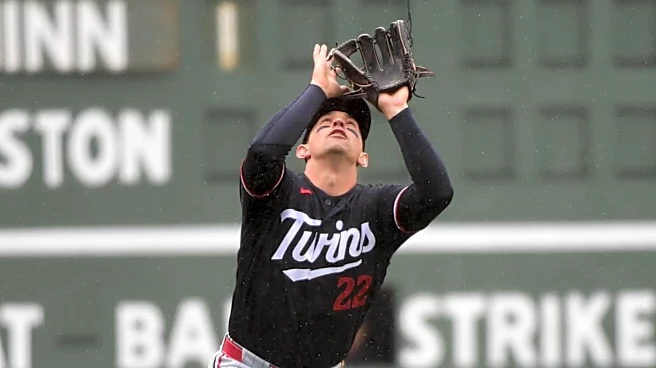
Over the years, Fenway Park has seen numerous renovations and changes to accommodate the evolving needs of the sport and its fans. In 1934, the park underwent a significant rebuild, which included the addition of the iconic Green Monster, a towering left-field wall that has become synonymous with Fenway. The wall was initially made of wood but was later covered in tin and concrete, and eventually, hard plastic.
In the early 2000s, Fenway Park underwent a decade-long renovation project led by Janet Marie Smith, credited with preserving the park's historic charm while modernizing its facilities. These renovations ensured that Fenway Park would remain a viable venue for baseball games well into the 21st century, with an estimated usable life extending to 2062.
Fenway Park Today
Today, Fenway Park stands as the oldest active ballpark in Major League Baseball, a testament to its enduring legacy. It is not only a place for baseball but also a venue for various cultural and sporting events, including concerts, soccer matches, and even ice hockey games. The park's unique features, such as Pesky's Pole and the Lone Red Seat, continue to captivate fans and players alike.
Fenway Park's historical significance was recognized in 2012 when it was added to the National Register of Historic Places. As a symbol of Boston and a cherished landmark, Fenway Park remains a beloved destination for sports enthusiasts and history buffs, offering a glimpse into the past while continuing to make history in the present.