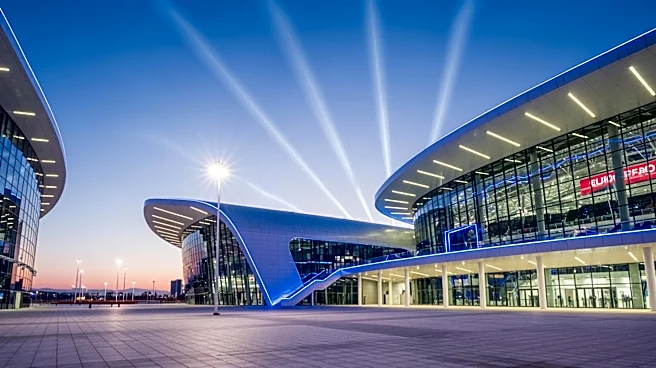

The Frankfurt Book Fair, known as the Frankfurter Buchmesse, is the world's largest trade fair for books, with a history that spans over 500 years. This annual event, held in Frankfurt, Germany, has evolved
significantly since its inception, playing a crucial role in the global book trade and cultural exchange. Understanding its historical journey offers insights into its enduring significance in the literary world.
Early Beginnings and Growth
The origins of the Frankfurt Book Fair can be traced back to the 12th century when Frankfurt was a hub for the trade of handwritten books. The fair gained prominence in the decades following Johannes Gutenberg's invention of movable type printing in Mainz, near Frankfurt. By 1462, the fair had become a well-established event, attracting printers and publishers who sought to market their works and exchange ideas.
During the Reformation, the Frankfurt Book Fair became a vital platform for merchants and scholars. It was a place where new books were introduced, and scholarly works were disseminated. The fair's role in the diffusion of written texts made it a focal point for intellectual and cultural exchange in Europe.
Challenges and Revival
The Frankfurt Book Fair maintained its status as Europe's most important book fair until the end of the 17th century. However, it faced challenges during the Enlightenment, as political and cultural shifts led to the rise of the Leipzig Book Fair. Despite this setback, the Frankfurt Book Fair experienced a revival after World War II. In 1949, the fair was reestablished at St. Paul's Church, regaining its preeminent position in the global book trade.
The post-war revival marked a new era for the fair, as it adapted to the changing landscape of the publishing industry. It became a critical event for international rights trading and the negotiation of licenses, attracting publishers, agents, and other industry professionals from around the world.
Modern Significance
Today, the Frankfurt Book Fair is organized by Frankfurter Buchmesse GmbH, a subsidiary of the German Publishers and Booksellers Association. It continues to be a pivotal event for launching books and facilitating international deals. The fair attracts thousands of exhibitors and hundreds of thousands of visitors each year, underscoring its importance in the literary world.
The fair's ability to adapt and thrive over the centuries highlights its resilience and enduring relevance. It remains a vital platform for cultural exchange, innovation, and the celebration of literature, reflecting its rich historical legacy and ongoing impact on the global book industry.