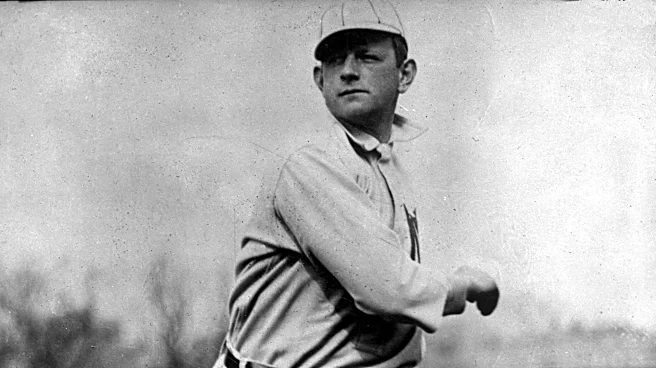




Jack Doyle, known as "Dirty Jack," was a Major League Baseball player whose aggressive style and frequent controversies made him a memorable figure in the sport's early days. Born in Ireland and raised in Massachusetts, Doyle's career was marked by his confrontational approach, which often led to feuds with umpires, fans, and fellow players. This article explores the controversies that surrounded Doyle and how they shaped his legacy.
Aggressive Playing Style
Doyle's aggressive
playing style was evident from the start of his career. Known for his hustle and determination, he often found himself at odds with umpires and opponents. His nickname "Dirty Jack" was a testament to his fiery demeanor on the field. Doyle's confrontations were not limited to verbal disputes; he was involved in physical altercations as well.
One notable incident occurred on July 4, 1900, when Doyle slugged umpire Bob Emslie after being called out on a steal attempt. The altercation escalated as fans jumped from the stands, leading to Doyle's arrest and a fine. Such incidents were not uncommon for Doyle, who was known for his willingness to challenge authority and stand his ground.
Feuds and Leadership
Doyle's confrontational nature extended to his relationships with teammates and managers. He carried on a lengthy feud with John McGraw, which began when they were teammates in Baltimore. McGraw, known for his own fiery personality, released Doyle from the Giants in 1902 despite his impressive performance.
Despite these controversies, Doyle was recognized as a natural leader, serving as team captain for several teams. His ability to inspire and lead players was evident, even as his aggressive style drew criticism. Doyle's leadership was a complex mix of charisma and confrontation, making him a unique figure in baseball history.
Legacy and Impact
Doyle's legacy in baseball is a blend of his achievements and controversies. His aggressive style and willingness to challenge norms left a lasting impact on the sport. While his confrontations often overshadowed his accomplishments, they also highlighted his passion and commitment to the game.
Today, Doyle is remembered not only for his playing skills but also for his role in shaping the culture of early baseball. His legacy is celebrated through awards and recognition, acknowledging both his contributions and the controversies that defined his career. Doyle's story is a reminder of the complex personalities that have shaped baseball's history.