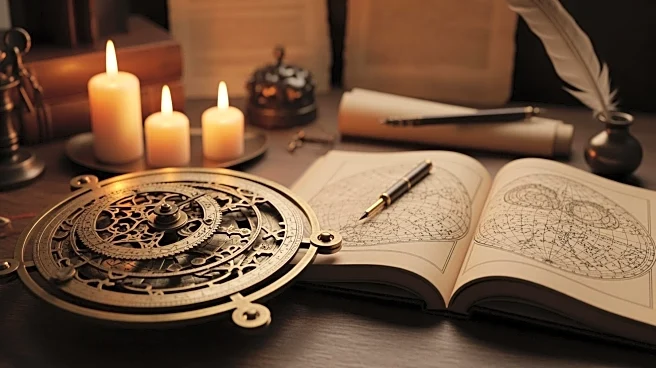




Astrology played a pivotal role in the intellectual and cultural life of medieval and Renaissance Europe. During these periods, astrology was intertwined with various scholarly pursuits, influencing fields such as medicine, alchemy, and literature. This article explores the role and influence of astrology in Europe during the medieval and Renaissance eras, highlighting its integration into the fabric of society.
Astrology in Medieval Europe
In medieval Europe, astrology was regarded
as a legitimate field of study, closely linked to other disciplines such as medicine and alchemy. Astrological knowledge was considered essential for physicians, who used it to determine the timing of medical procedures and treatments. The belief in the influence of celestial bodies on human health was widespread, and astrology was an integral part of medical practice.
Astrology's influence extended beyond medicine, permeating various aspects of medieval culture. Astrological symbolism appeared in literature, with authors like Geoffrey Chaucer incorporating astrological themes into their works. The visual arts also reflected astrology's presence, with celestial imagery adorning cathedrals and manuscripts. Astrology was seen as a tool for understanding the cosmos and humanity's place within it, contributing to the medieval worldview.
The Renaissance Revival
The Renaissance marked a period of renewed interest in astrology, as scholars sought to reconcile ancient knowledge with new scientific discoveries. Astrology was embraced by prominent figures such as Johannes Kepler and Tycho Brahe, who practiced astrology alongside their astronomical research. The period saw the publication of influential astrological texts, which were studied by scholars across Europe.
Astrology's role in Renaissance culture was multifaceted, influencing art, literature, and philosophy. Astrological themes appeared in the works of artists like Albrecht Dürer, who incorporated celestial motifs into his engravings. Literature of the time, including the plays of William Shakespeare, often featured astrological references, reflecting the widespread belief in the influence of the stars on human affairs.
Astrology's Decline and Legacy
Despite its prominence during the medieval and Renaissance periods, astrology's influence began to wane with the advent of the Scientific Revolution. The development of new scientific methods and the rejection of Aristotelian physics challenged the foundations of astrological theory. By the 18th century, astrology had lost much of its academic standing, though it continued to be practiced by some.
Astrology's legacy in medieval and Renaissance Europe is evident in the cultural and intellectual achievements of the time. Its integration with various disciplines and its influence on art and literature highlight its significance in shaping the worldview of these periods. While astrology's role in society has evolved, its historical impact remains a testament to its enduring appeal.