

Garbha Pindasana, also known as the Embryo in Womb Pose, is a seated balancing asana that is part of both hatha yoga and modern yoga practices. This pose is known for its unique combination of balance and flexibility, requiring practitioners to maintain a steady posture while engaging in a deep stretch. Understanding the origins and practice of Garbha Pindasana can provide insight into its significance in yoga.
Origins and Etymology
The name Garbha Pindasana is derived
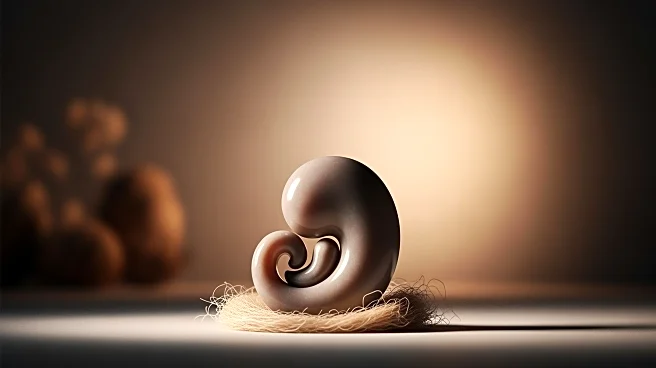
from Sanskrit, where "garbha" means "womb," "pinda" means "embryo" or "foetus," and "asana" means "posture" or "seat." This name reflects the pose's resemblance to the fetal position, symbolizing a return to the womb. The pose is described in historical texts such as the 17th-century Bahr al-Hayat, indicating its long-standing presence in yoga traditions.
Garbha Pindasana shares its limb positions with Uttana Kurmasana, the inverted tortoise pose, but differs in that the body is balanced upright rather than reclining. This distinction highlights the pose's unique challenge of maintaining balance while in a compact, seated position.
Practicing Garbha Pindasana
To perform Garbha Pindasana, practitioners begin by crossing their legs in Padmasana, or the lotus position. For those who find Padmasana challenging, crossing the legs in Sukhasana, or the easy pose, is an alternative. The arms are then threaded through behind the knees, and the hands reach up to grasp the ears. The body is balanced on the coccyx, or tailbone, requiring core strength and concentration.
In Ashtanga yoga, Garbha Pindasana is part of the primary series, emphasizing its importance in developing foundational strength and balance. The pose's requirement for flexibility and stability makes it a valuable addition to any yoga practice, offering both physical and mental benefits.
Variations and Benefits
There are variations of Garbha Pindasana that involve different arm positions, allowing practitioners to adapt the pose to their level of flexibility and comfort. Another variation is Supta Garbhasana, where the ankles are crossed behind the neck, similar to Yoganidrasana.
Twentieth-century yoga advocates, such as B. K. S. Iyengar, have claimed that Garbha Pindasana promotes circulation around the abdominal organs, keeping them "in trim." While these claims lack scientific evidence, the pose's emphasis on balance and core engagement suggests potential benefits for overall physical health.
Garbha Pindasana remains a challenging yet rewarding pose within the yoga community. Its historical roots and unique physical demands make it a fascinating subject for those interested in the art and practice of yoga.