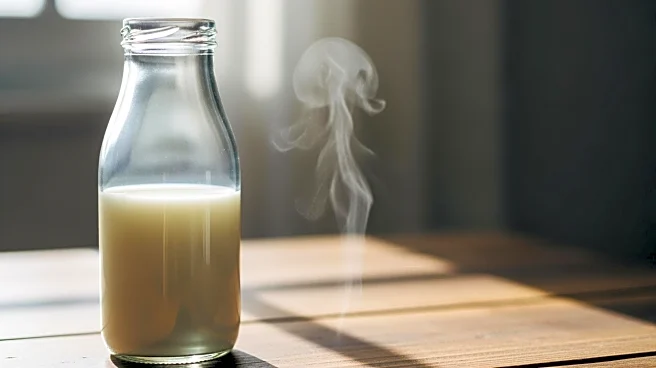

Pasteurization is a widely used method for preserving food by applying mild heat to eliminate pathogens and extend shelf life. While it is effective in ensuring food safety, pasteurization also has implications
for the nutritional and sensory qualities of foods. This article delves into how pasteurization affects these aspects, focusing on the preservation of heat-labile vitamins and sensory attributes.
Nutritional Effects of Pasteurization
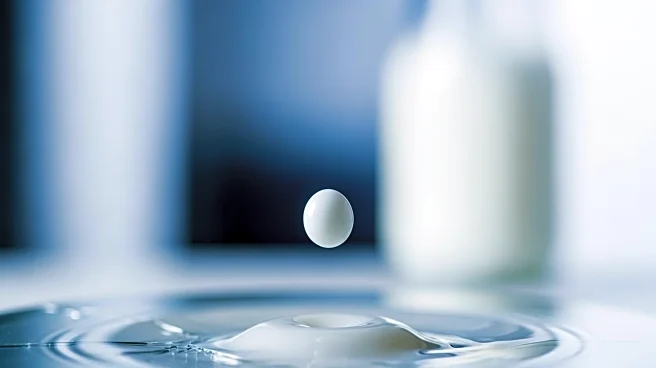
Pasteurization involves mild heat treatment, which can lead to minor changes in the nutritional quality of foods. Specifically, heat-labile vitamins, such as vitamin C and certain B vitamins, may experience slight reductions. However, these changes are generally minimal, and pasteurization does not significantly diminish the overall nutritional value of foods. For instance, milk, a common pasteurized product, retains most of its essential nutrients despite the process.
In milk, pasteurization appears to reduce concentrations of vitamins B12 and E, but it increases vitamin A levels. Although milk is not a major source of vitamins B12 or E in the North American diet, it is considered an important source of vitamin A. Therefore, the increase in vitamin A concentration due to pasteurization is not a major public health concern. Overall, pasteurization ensures food safety while maintaining the nutritional integrity of foods.
Sensory Characteristics and Pasteurization
The sensory attributes of foods, such as taste, aroma, and texture, can be affected by pasteurization. In fruit juices, pasteurization may lead to the loss of volatile aroma compounds, which are responsible for the fresh and fruity scent. This loss is often attributed to the deaeration process that occurs before pasteurization, which minimizes nutrient loss but can impact aroma.
To counteract the decrease in quality resulting from the loss of volatile compounds, volatile recovery techniques can be employed. Although costly, these methods help produce higher-quality juice products by preserving the sensory characteristics. Additionally, pasteurization does not significantly affect the color of foods, as pigments like chlorophylls and carotenoids remain stable during the process.
Extending Shelf Life with Pasteurization
One of the primary benefits of pasteurization is its ability to extend the shelf life of foods. By applying mild heat, pasteurization increases the shelf life by a few days or weeks, making it a valuable tool for food preservation. This extension is achieved with minimal impact on the nutritional and sensory qualities of foods, allowing consumers to enjoy safe and fresh products for longer periods.
In summary, pasteurization is a crucial process in food preservation that ensures safety while maintaining the nutritional and sensory qualities of foods. Although it may slightly reduce heat-labile vitamins and affect aroma compounds, the overall impact is minimal, making pasteurization a reliable method for extending shelf life and preserving food quality.