
Concussions are a significant concern in sports, leading to increased focus on prevention strategies. Helmets are often seen as a primary line of defense against head injuries. However, their effectiveness
in preventing concussions is a topic of ongoing debate. This article explores the role of helmets in concussion prevention, examining their benefits, limitations, and the potential for technological advancements to enhance their protective capabilities.
Helmet Effectiveness in Sports
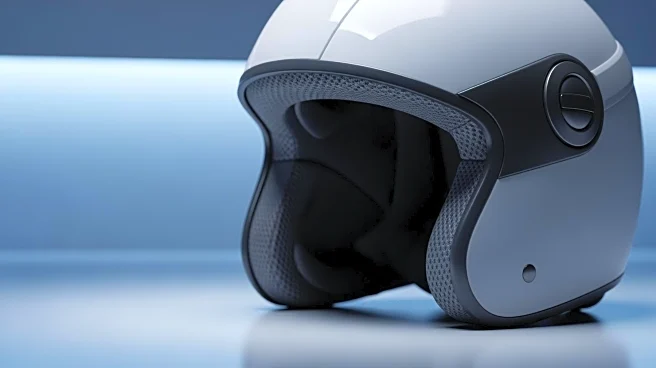
Helmets are designed to protect athletes from head injuries by absorbing impact forces. In sports like skiing and snowboarding, wearing a helmet is associated with a decreased risk of head injury. However, when it comes to concussions, the data is less clear. Current research indicates that no specific type of helmet or protective equipment has been proven to reduce the risk of sports-related concussions. This suggests that while helmets can prevent certain types of head injuries, they may not be as effective in preventing concussions, which are caused by the brain moving within the skull.
Despite these limitations, improvements in helmet design continue to be a focus. New technologies, such as the Head Impact Telemetry System, are being integrated into helmets to study injury mechanisms. These advancements aim to better understand how concussions occur and potentially reduce their incidence. By collecting data on head impacts, researchers hope to develop helmets that offer more comprehensive protection against concussions.
Limitations of Helmets in Concussion Prevention
One of the primary challenges in using helmets to prevent concussions is the nature of the injury itself. Concussions result from the brain's movement within the skull, which can occur even with a helmet. This movement is not entirely mitigated by current helmet designs, which focus on preventing skull fractures and other external injuries. As a result, helmets may not fully protect against the rotational forces that contribute to concussions.
Additionally, the lack of data supporting the effectiveness of helmets in preventing concussions highlights the need for further research. While helmets are crucial for overall head protection, relying solely on them for concussion prevention may not be sufficient. This underscores the importance of a multifaceted approach to concussion prevention, including rule changes and education on safe playing techniques.
Future Directions in Helmet Technology
The future of helmet technology holds promise for improving concussion prevention. Companies are developing helmets with integrated sensors and software to monitor brain injury risk in real-time. For example, the Swiss National Ice Hockey League is testing systems that combine helmet-integrated sensors with analysis software to assess ongoing brain injury risk during games.
These innovations represent a significant step forward in concussion prevention. By providing real-time data on head impacts, these technologies could lead to more effective helmet designs and better protection for athletes. As research continues, the hope is that helmets will evolve to offer more comprehensive protection against concussions, reducing their incidence and severity in sports.