






Creativity is a fascinating phenomenon that involves the creation of something new and valuable. It is often associated with intelligence and cognition, making it a subject of interest across various fields. This article delves into the essence of creativity, exploring its definition and the challenges in measuring it.
Defining Creativity
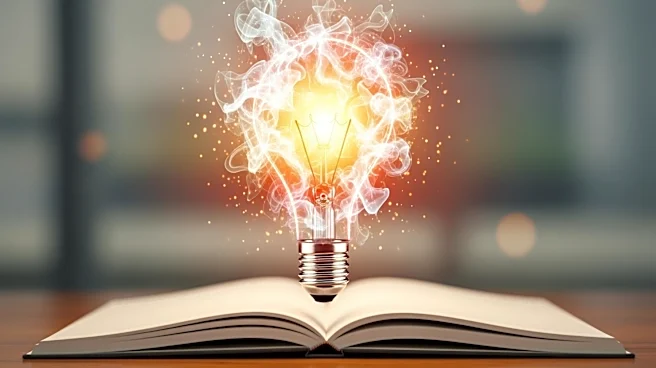
Creativity is often described as the ability to generate new ideas or solutions that have subjective value. This could be an idea,
a joke, a literary work, a painting, a musical composition, a solution, or an invention. The challenge in defining creativity lies in its subjective nature, as what is considered creative can vary greatly from one person to another. Despite numerous attempts, a universally accepted definition of creativity remains elusive.
The difficulty in defining creativity is compounded by its association with intelligence and cognition. Creativity is not just about coming up with new ideas; it also involves the ability to think in novel ways and make connections between seemingly unrelated concepts. This cognitive aspect of creativity makes it a complex and multifaceted phenomenon that is difficult to pin down.
Measuring Creativity
Measuring creativity is another challenge that researchers face. Some argue that creativity should not be measured at all, as it is inherently subjective and cannot be quantified. Others, however, have developed various methods to assess creativity, such as the Bohemian Index and the Gay Index, which attempt to predict economic growth based on the level of creativity in a city.
These indices are based on the idea that creativity is a key driver of economic development. By measuring the concentration of creative individuals in a given area, researchers hope to gain insights into the potential for innovation and growth. However, these methods are not without their critics, who argue that they oversimplify the complex nature of creativity and fail to capture its true essence.
The Role of Creativity in Society
Creativity plays a crucial role in various aspects of society, from the arts to economics. In the arts, creativity is the driving force behind artistic expression and innovation. It allows artists to push boundaries and explore new forms of expression, leading to the creation of groundbreaking works that challenge our perceptions and inspire us.
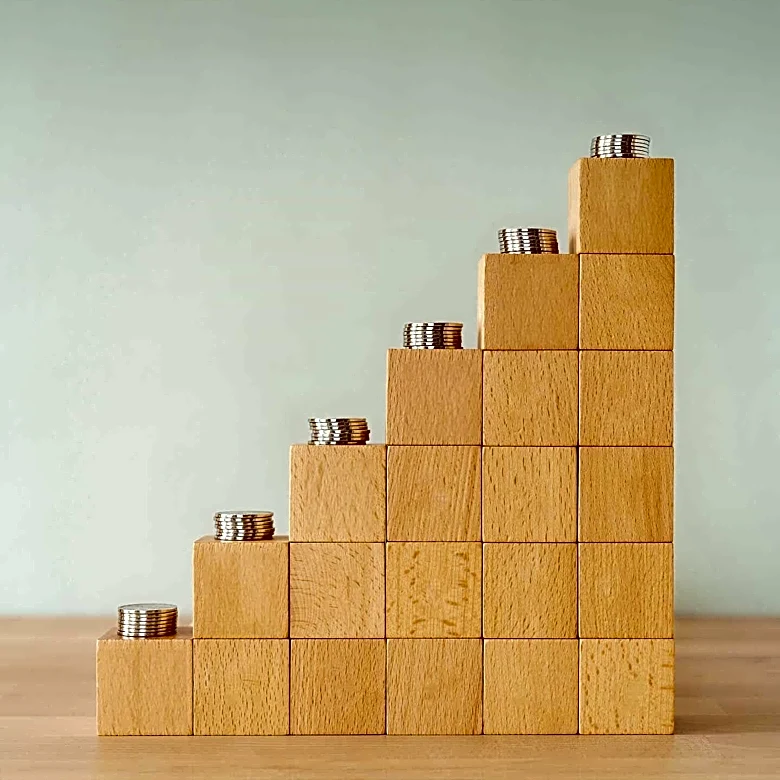
In economics, creativity is seen as a form of individual capital that drives innovation and growth. It is the ability to come up with new ideas and solutions that set individuals and businesses apart from their competitors. This makes creativity a valuable asset in today's rapidly changing world, where the ability to adapt and innovate is more important than ever.
In conclusion, creativity is a complex and multifaceted phenomenon that is difficult to define and measure. Despite these challenges, it remains a vital force in society, driving innovation and inspiring new ways of thinking. As we continue to explore the nature of creativity, we gain a deeper understanding of its role in shaping our world.