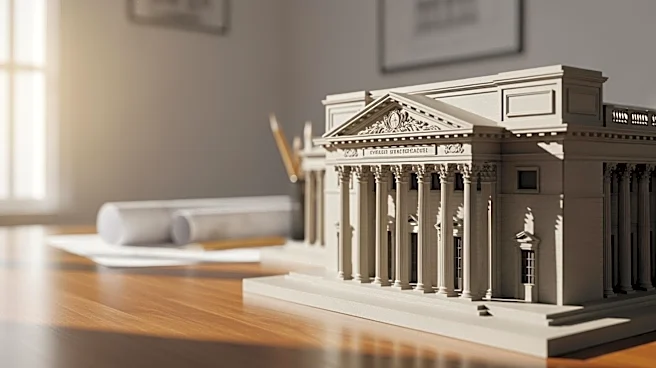










The Met Fifth Avenue, the primary building of the Metropolitan Museum of Art in New York City, is not only a cultural landmark but also a testament to architectural evolution. Located at 1000 Fifth Avenue, this iconic structure has undergone significant transformations since its inception, reflecting changes in architectural styles and the museum's growing needs.
The Original Design and Early Criticism
The original building of The Met Fifth Avenue was designed by American architect Calvert
Vaux and his collaborator Jacob Wrey Mould. Constructed between 1888 and 1894, the building was made of red brick and stone. Despite its ambitious design, the building was not well-received at the time. Critics dubbed it a "mausoleum," and its High Victorian Gothic style was considered outdated even before its completion. The president of the Met at the time went so far as to call the project "a mistake."
Within two decades, the need for a new architectural plan became apparent. The original Vaux building was soon engulfed by new expansions, marking the beginning of a series of architectural transformations that would continue for over a century.
Beaux-Arts Influence and Further Expansions
The early 20th century saw significant changes to The Met Fifth Avenue, with the introduction of the Beaux-Arts style. Architect and Met trustee Richard Morris Hunt, along with his son Richard Howland Hunt, designed the distinctive Fifth Avenue facade, Great Hall, and Grand Stairway. These elements were completed in 1902, following Richard Morris Hunt's death. The architectural sculpture on the facade was crafted by Karl Bitter, adding to the building's grandeur.
Further expansions in the 1910s were carried out by the firm of McKim, Mead & White, completing the Fifth Avenue facade. The modernistic glass sides and rear of the museum, designed by Roche-Dinkeloo, reflect the ongoing evolution of the building's architecture. Kevin Roche, the architect responsible for the museum's master plan and expansion for over 40 years, designed new wings and renovations, including the American Wing and the Greek and Roman Court.
Modern Additions and Future Plans
The Met Fifth Avenue continues to evolve, with modern additions that enhance its functionality and aesthetic appeal. The museum's architecture is an accretion of over 20 structures, most of which are not visible from the exterior. The City of New York owns the building and contributes to its maintenance, ensuring its preservation as a historic site.
Looking to the future, The Met Fifth Avenue is set to undergo further expansion. In 2024, plans were announced for a half-billion-dollar architectural expansion to the museum's southwest corner, with completion expected by 2030. This ongoing evolution reflects the museum's commitment to adapting to the needs of its visitors while preserving its historical significance.
The architectural journey of The Met Fifth Avenue is a fascinating tale of transformation, showcasing the dynamic interplay between historical preservation and modern innovation.