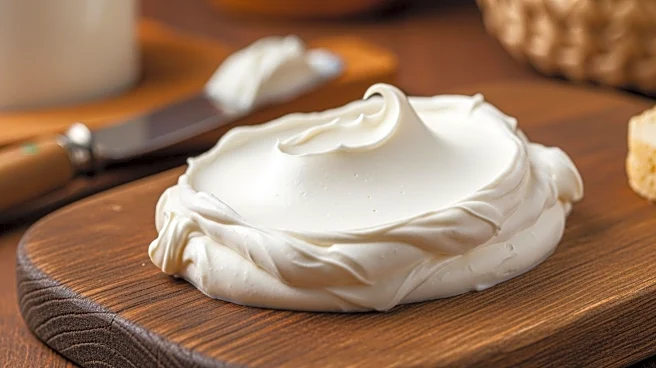




Kaymak, a creamy dairy product similar to clotted cream, is a beloved delicacy in many parts of the world, including Central Asia, the Balkans, and the Middle East. Its rich, creamy texture and high milk fat content make it a favorite addition to breakfast tables and desserts. The history of kaymak is as rich as its flavor, with its origins tracing back to the Central Asian Turkic regions.
The Etymology of Kaymak
The word "kaymak" has its roots in Central Asian Turkic languages,
possibly derived from the verb "kaymak," which means "melt" or "molding of metal." This etymology reflects the process of making kaymak, where the cream is carefully skimmed and molded into a thick, creamy consistency. The first written records of the word "kaymak" can be found in the Dīwān Lughāt al-Turk, a comprehensive dictionary of Turkic languages compiled by Mahmud al-Kashgari.
The term "kaymak" has evolved over time, with variations found in different Turkic languages and regions. In Azerbaijani, it is known as "qaymaq," while in Uzbek, it is called "qaymoq." In Kazakh and Shor, it is referred to as "қаймақ," and in Kyrgyz, it is "каймак." These linguistic variations highlight the widespread popularity and cultural significance of kaymak across Turkic-speaking regions.
Historical Origins and Spread
Kaymak's origins can be traced back to the nomadic cultures of Central Asia, where dairy products played a crucial role in the diet of pastoral communities. The process of making kaymak was developed as a way to preserve the rich, fatty cream from milk, allowing it to be stored and consumed over time. As these nomadic groups migrated and settled in different regions, they brought their culinary traditions with them, spreading the art of making kaymak across the Balkans, the Caucasus, and the Middle East.
In the Balkans, kaymak became known as "kajmak" and is considered a national dish in countries like Serbia, Bosnia, and Montenegro. Its popularity in these regions is a testament to the cultural exchange and influence that occurred as a result of historical migrations and trade routes.
Kaymak in Modern Times
Today, kaymak continues to be a cherished delicacy in many parts of the world. Its rich history and cultural significance make it more than just a dairy product; it is a symbol of tradition and heritage. In Turkey, shops dedicated to the production and consumption of kaymak have been a part of the culinary landscape for centuries, reflecting the enduring love for this creamy treat.
In modern times, kaymak is enjoyed in various forms, from being served with baklava and other desserts to being spread on bread and enjoyed with honey. Its versatility and rich flavor make it a favorite among food enthusiasts and a staple in traditional cuisines across the regions where it is produced. The history of kaymak is a testament to the enduring appeal of this creamy delight and its ability to connect people to their cultural roots.