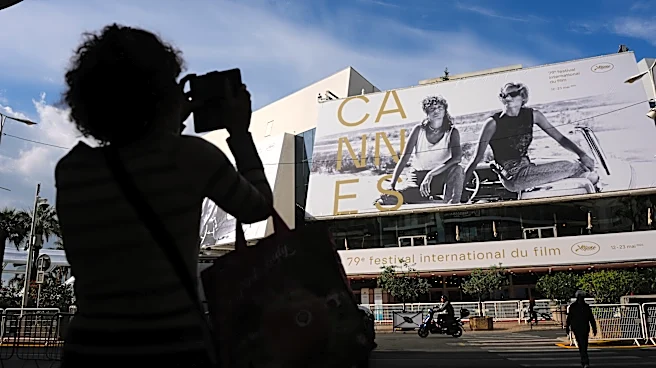





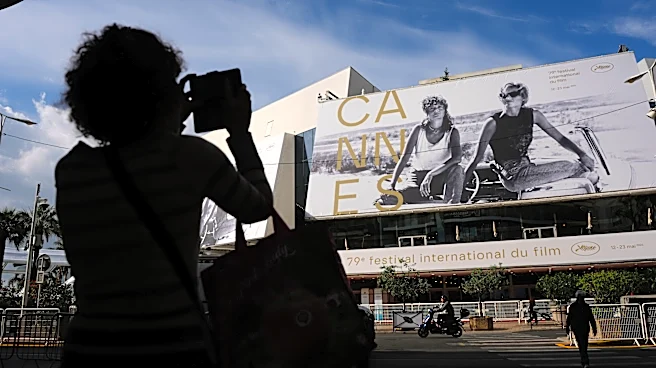
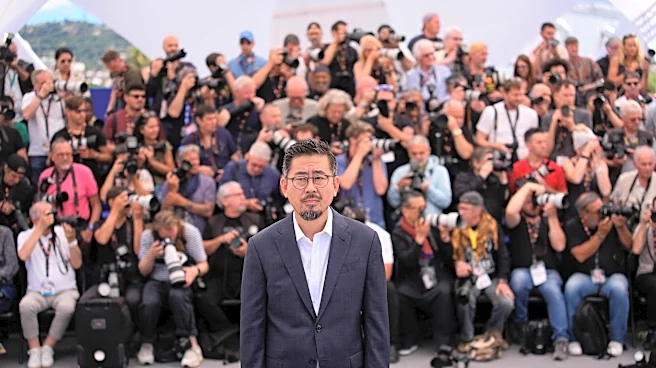
The 2011 Cannes Film Festival was a landmark event for female filmmakers, marking the first time that four women directors were featured in the main competition. This significant milestone highlighted the festival's commitment to diversity and the growing presence of women in the film industry. The directors included Julia Leigh, Naomi Kawase, Lynne Ramsay, and Maïwenn, each bringing their unique perspectives and storytelling styles to the prestigious
event.
Breaking New Ground
Julia Leigh, an Australian filmmaker, made her directorial debut with "Sleeping Beauty," a film that captivated audiences with its bold narrative and visual style. Her inclusion in the main competition was a testament to the festival's recognition of emerging talent and the importance of supporting new voices in cinema.
Japanese director Naomi Kawase presented her film "Hanezu," which explored themes of nature and human connection. Known for her poetic storytelling and deep cultural insights, Kawase's work added a rich layer of diversity to the festival's lineup. Her participation underscored the global reach of the Cannes Film Festival and its role in promoting international cinema.
Diverse Voices and Stories
Scottish director Lynne Ramsay brought her film "We Need to Talk About Kevin" to the competition, a gripping psychological drama that delved into complex family dynamics. Ramsay's film was praised for its intense performances and thought-provoking narrative, showcasing her skill in crafting emotionally resonant stories.
French filmmaker Maïwenn presented "Polisse," a film that offered a raw and unflinching look at the lives of police officers in the Child Protection Unit. Her work was noted for its authenticity and powerful storytelling, reflecting her ability to tackle challenging subjects with sensitivity and depth.
Impact and Legacy
The inclusion of these four female directors in the main competition was a significant step forward for gender representation at the Cannes Film Festival. It highlighted the festival's evolving approach to inclusivity and its recognition of the diverse voices shaping the future of cinema.
The impact of their participation extended beyond the festival, inspiring other women filmmakers to pursue their creative visions and challenge industry norms. By showcasing a range of stories and perspectives, the 2011 Cannes Film Festival played a crucial role in advancing the conversation about gender equality in the film industry.
Overall, the presence of these talented women directors at the 2011 Cannes Film Festival was a powerful reminder of the importance of diversity and representation in cinema. Their contributions enriched the festival and left a lasting legacy for future generations of filmmakers.