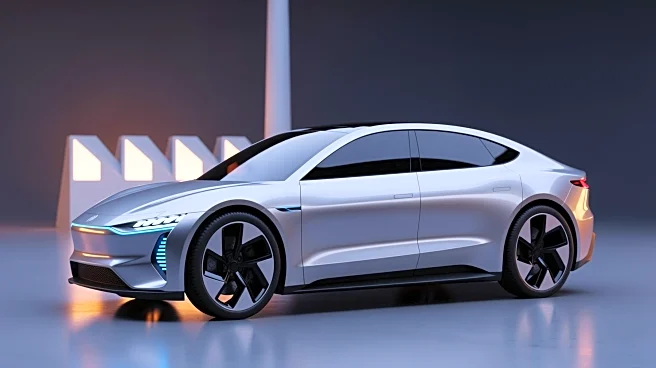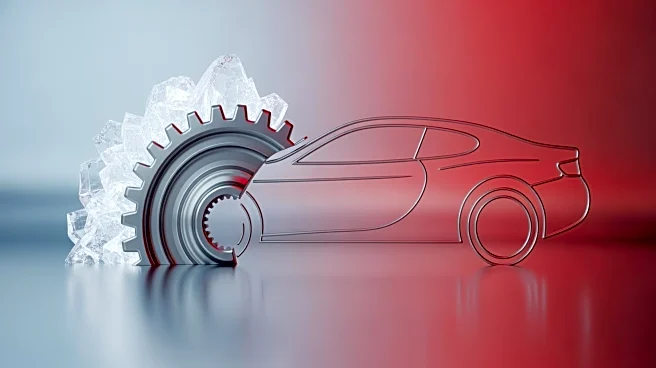

Geely, a name now synonymous with automotive innovation, began its journey in a rather unexpected industry. Founded in 1986 by Li Shufu, the company initially focused on manufacturing refrigerator parts.
Over the years, Geely has undergone a remarkable transformation, evolving into one of China's leading automotive manufacturers. This article explores the key milestones in Geely's journey from its humble beginnings to its current status as a major player in the global automotive market.
Early Beginnings and Transition to Motorcycles
Geely's story began in Ningbo, Zhejiang, where it was established as a refrigerator parts manufacturer. The company was founded by Li Shufu, who had to borrow funds from his family to start the business. In 1994, Geely made a significant shift by entering the motorcycle industry. This transition was marked by the acquisition of a state-run firm, which allowed Geely to produce China's first scooter. This move set the stage for Geely's future endeavors in the automotive sector.
The transition to motorcycles was a strategic decision that allowed Geely to gain experience in manufacturing and expand its product offerings. By 1997, Geely had completed the construction of relevant factories and made initial investment preparations to enter the automobile industry. This marked the beginning of Geely's journey as China's first private automobile company, a significant achievement in a market dominated by state-owned enterprises.
Entry into the Automotive Industry
Geely officially entered the automotive industry in 1997, but it wasn't until 2001 that the company obtained its national production license. This delay did not deter Geely's ambitions. In 1998, the company's first car, the Geely Haoqing, rolled off the assembly line in Linhai, Zhejiang. The Haoqing was similar to the small Japanese car Daihatsu Charade and was powered by a Daihatsu three-cylinder engine.
Despite the initial challenges, Geely quickly gained traction in the Chinese automobile market. By 2002, the brand was ranked among the top ten in the country. This success was a testament to Geely's commitment to quality and innovation, which would continue to drive the company's growth in the years to come.
Expansion and Global Recognition
In the early 2000s, Geely underwent significant restructuring, transitioning from a family-operated entity to a joint-stock company managed by professional management. This change allowed Geely to expand its operations and enter into joint ventures with other companies. In 2004, Geely went public on the Hong Kong Stock Exchange, providing the company with the means to raise funds for further expansion.
Geely's global recognition was further solidified with its acquisition of Volvo Cars from Ford Motor Company in 2010. This acquisition facilitated Volvo's recovery and brought significant technological and managerial advancements to Geely. Under Geely's ownership, Volvo Cars developed new lines of engines and vehicle platforms, contributing to a significant sales surge for both companies.
Today, Geely continues to innovate and expand its presence in the global automotive market. From its beginnings as a refrigerator parts manufacturer to its current status as a major automotive player, Geely's journey is a testament to the power of strategic vision and adaptability.