




The yoga mat, a staple in modern yoga practice, has a rich history that traces back to ancient India. Over the centuries, it has evolved from natural materials to the high-tech mats we see today. This article explores the journey of the yoga mat, highlighting its transformation and the factors that influenced its development.
Ancient Beginnings
In ancient India, yoga was practiced on natural surfaces such as kusha grass or bare earth. The Bhagavadgita and the Shvetashvatara
Upanishad mention the use of deer or tiger skin rugs as suitable surfaces for meditation and yoga practice. These natural materials were believed to aid in achieving enlightenment by providing a stable and sacred space for practice.
The use of these materials was not just practical but also symbolic. The choice of deer or tiger skin was significant, as these animals were revered in Indian culture. The skins were thought to offer protection and spiritual energy, enhancing the meditative experience. This connection between the practitioner and the natural world was a fundamental aspect of early yoga practice.
The Birth of the Modern Yoga Mat
The modern yoga mat as we know it began to take shape in the 20th century. With yoga's introduction to the West, practitioners initially used towels or cotton mats on wooden floors. However, these surfaces were slippery, making it difficult to maintain poses. In 1982, Angela Farmer, a yoga teacher, innovated by using carpet underlay cut to the size of a towel, creating the first "sticky mat."
This innovation marked a turning point in yoga practice, as it provided the grip needed for more dynamic poses. Angela's father, Richard Farmer, saw the potential of this new mat and began retailing it, leading to the commercial production of yoga mats. The first purpose-made yoga mat was manufactured by Hugger Mugger Yoga Products in the 1990s, further solidifying the mat's place in yoga practice.
Modern Innovations and Varieties
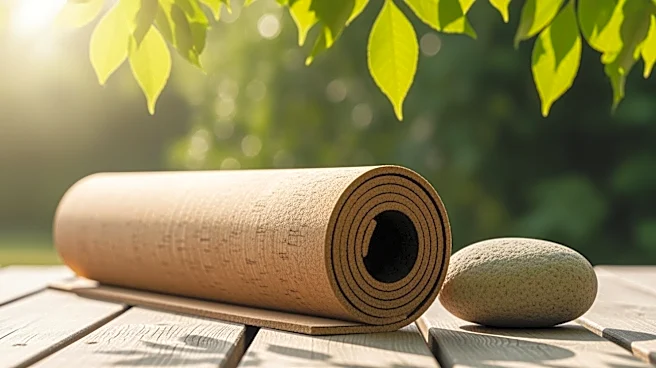
Today, yoga mats come in a variety of materials, thicknesses, and designs. They are typically made from plastic, rubber, or eco-friendly materials like jute and cork. The choice of material affects the mat's grip, comfort, and weight, allowing practitioners to select mats that best suit their style of yoga.
Modern mats also feature innovations such as alignment guides printed on the surface to help practitioners maintain proper posture. Some mats are designed for specific types of yoga, such as thicker mats for yin yoga or textured mats for hot yoga. The evolution of the yoga mat reflects the diverse needs of practitioners and the commercialization of yoga as a global practice.
The yoga mat has come a long way from its ancient origins, adapting to the changing needs of practitioners while maintaining its role as a symbol of yoga practice. Its evolution is a testament to the enduring appeal and adaptability of yoga in the modern world.