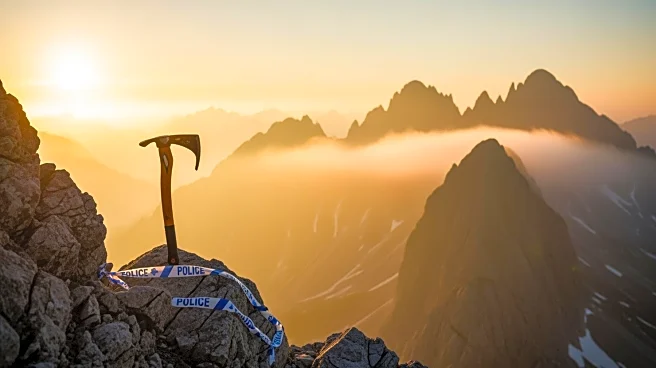




Mountaineering is more than just a physical challenge; for many, it is a deeply personal and spiritual journey. Climbers often speak of the profound sense of fulfillment and connection they experience while ascending mountains. This article delves into the motivations that drive individuals to take on the risks and challenges of mountaineering, highlighting the spiritual and personal dimensions of the sport.
Personal Fulfillment and Self-Discovery
For many climbers, mountaineering is a path
to personal fulfillment and self-discovery. The challenges of climbing a mountain require not only physical strength but also mental resilience and determination. Climbers often describe their experiences as transformative, providing a sense of purpose and alignment with their deeper selves.
The solitude and isolation of high-altitude environments offer climbers the opportunity to reflect and connect with their inner thoughts. This introspection can lead to emotional release and a stronger sense of self. The journey to the summit becomes a metaphor for overcoming personal obstacles and achieving one's goals.
Spiritual Growth and Connection
Mountaineering is often described as a spiritual pursuit, with climbers experiencing moments of transcendence and profound meaning. The exposure to natural elements and the life-or-death stakes encountered on the mountain can bring climbers face to face with existential questions, fostering a sense of connection to forces larger than themselves.
Research in psychology supports these claims, highlighting traits such as self-directedness, cooperativeness, and self-transcendence among elite mountaineers. These traits are associated with spirituality, mindfulness, and a search for meaning, explaining why some individuals are drawn to high-risk, high-reward experiences that facilitate altered states of consciousness and deep reflection.
The Sacredness of Mountains
Mountains have long been regarded as sacred in numerous cultures, seen as bridges between the earthly and the divine. This perception continues in modern mountaineering, where the act of climbing is sometimes likened to a pilgrimage. The experience is not solely about physical conquest but about spiritual engagement with the mountain landscape, often resulting in a reverent relationship with nature.
Climbers often report experiencing flow states, periods of deep focus and loss of time awareness, which provide psychological clarity and a sense of unity with the environment. These experiences can be transformative, allowing climbers to tap into a higher sense of presence and well-being.
In conclusion, mountaineering is a pursuit that goes beyond physical achievement. It offers a pathway to inner exploration, emotional catharsis, and spiritual insight, making it a deeply rewarding endeavor for those who seek more than just the thrill of the climb.