





The Joplin tornado of May 22, 2011, stands as one of the most catastrophic natural disasters in U.S. history. This EF5 tornado tore through Joplin, Missouri, leaving a trail of destruction that affected thousands of lives. With winds exceeding 200 mph, the tornado caused extensive damage to infrastructure and homes, resulting in significant loss of life and property. This article delves into the impact of the tornado, the immediate response, and the long-term
recovery efforts that followed.
The Path of Destruction
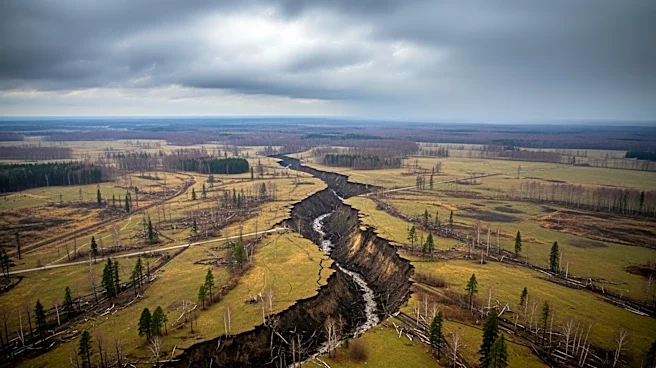
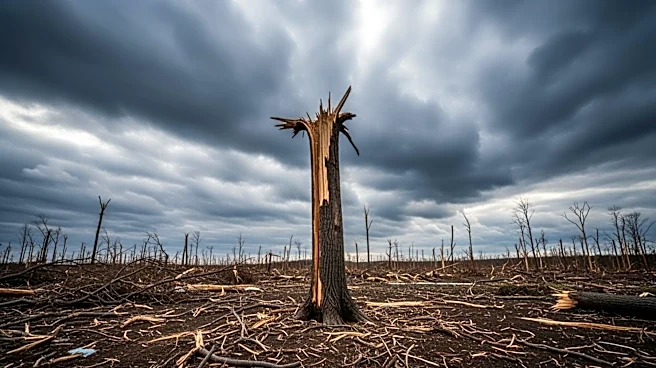
The tornado first touched down in Newton County, Missouri, and quickly intensified as it moved towards Joplin. It reached a peak width of nearly one mile as it tore through the southern part of the city. The tornado's path was marked by the complete destruction of homes, businesses, and critical infrastructure. Notably, St. John's Regional Medical Center was severely damaged, leading to its eventual demolition. The tornado's force was so immense that it uprooted trees, tossed vehicles, and flattened entire neighborhoods.
The damage was not limited to residential areas. The tornado also devastated commercial districts, including the destruction of a Walmart supercenter and a Home Depot. The sheer scale of the destruction was overwhelming, with nearly 8,000 buildings damaged and over 4,000 homes destroyed. The tornado's impact was felt across the city, affecting both the physical landscape and the community's spirit.
Immediate Response and Challenges
In the immediate aftermath of the tornado, emergency responders faced significant challenges in conducting search and rescue operations. The extensive damage to infrastructure, including downed power lines and blocked roads, hampered efforts to reach those in need. Despite these obstacles, local and state agencies, along with volunteers, worked tirelessly to assist survivors and provide essential services.
The Missouri National Guard was deployed to aid in the recovery efforts, and numerous agencies arrived to support the city's residents. The scale of the disaster prompted a massive response, with resources being mobilized from across the state and beyond. However, the challenges were immense, as the community grappled with the loss of life and the destruction of homes and businesses.
Long-term Recovery and Rebuilding
The recovery process in Joplin was a long and arduous journey. In the years following the tornado, the city embarked on a comprehensive rebuilding effort. This included the construction of new homes, schools, and infrastructure. The community's resilience was evident as residents came together to support one another and rebuild their lives.
Federal and state assistance played a crucial role in the recovery process, providing funding and resources to aid in the reconstruction efforts. The rebuilding of Joplin was not just about restoring physical structures but also about healing the community and fostering a sense of hope and renewal. The lessons learned from the Joplin tornado have informed disaster preparedness and response strategies, ensuring that communities are better equipped to handle future natural disasters.