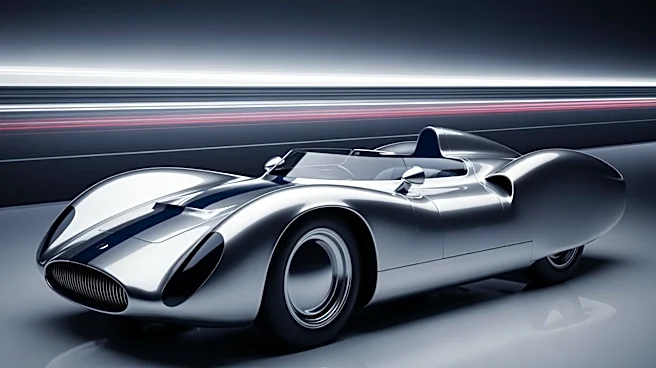

The Penske PC-6 was a groundbreaking open-wheel race car that made its debut in the 1978 Indianapolis 500. Designed by British engineer Geoff Ferris for Penske Racing, the PC-6 was a significant player in the world of USAC and CART racing. This article delves into the design, performance, and legacy of the Penske PC-6, highlighting its impact on the racing world.
Design and Engineering
The Penske PC-6 was crafted with precision and innovation, featuring a Cosworth DFX 2,650
cc V8 engine. This powerful engine was turbocharged and mounted longitudinally in the mid-section of the car, providing a balance of power and stability. The car's transmission was a Hewland L.G.500 4-speed manual, with the reverse gear removed to save weight and improve performance.
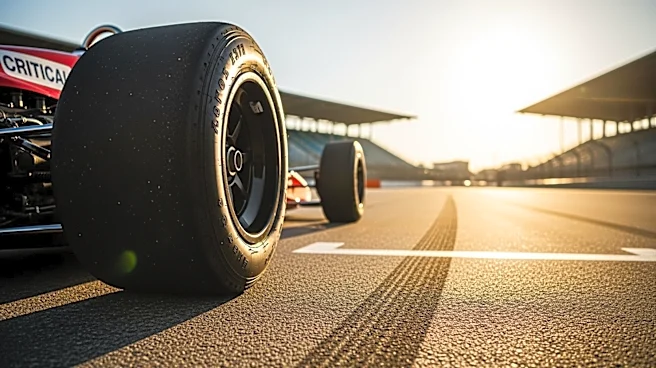
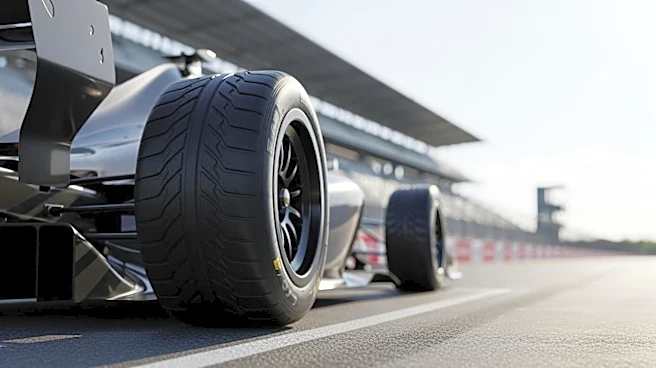
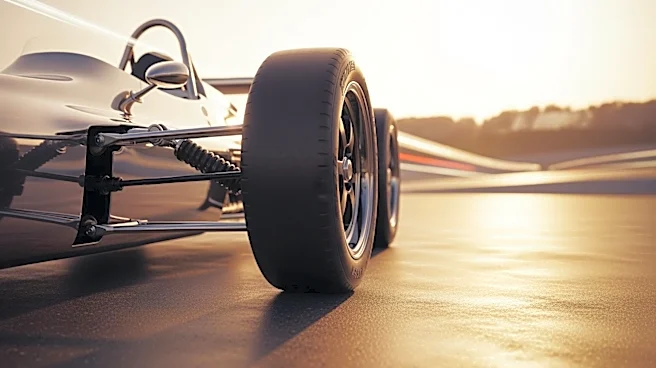
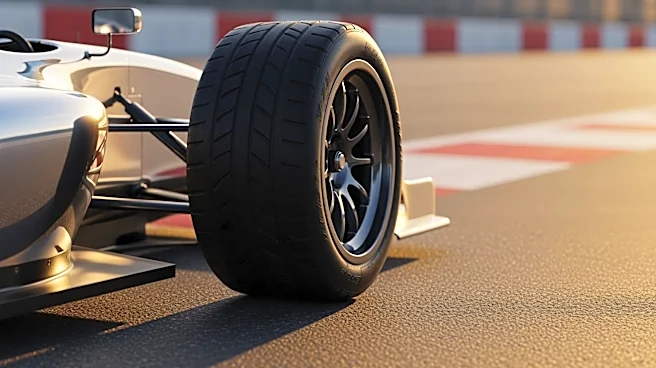
The PC-6's design also included a wheelbase of 2,692mm, which contributed to its agility on the track. The car's weight was kept to a minimum at 1,603 pounds, allowing for quick acceleration and nimble handling. The use of Goodyear Eagle Speedway Specials tires further enhanced its grip and performance, making it a formidable competitor in the racing circuit.
Performance on the Track
The Penske PC-6 made its debut at the 1978 Indianapolis 500, driven by notable racers such as Tom Sneva, Rick Mears, and Mario Andretti. Although it did not win in its debut year, the car showed promise with a second-place finish. The following year, Rick Mears drove the PC-6 to victory at the 1979 Indianapolis 500, cementing its place in racing history.
One of the most remarkable achievements of the PC-6 was Tom Sneva's record-setting qualifying run at the 1978 Indianapolis Motor Speedway. Sneva became the first driver to achieve a four-lap average speed of over 200 miles per hour, a milestone that underscored the car's engineering excellence and performance capabilities.
Legacy and Impact
The Penske PC-6's success on the track and its innovative design left a lasting impact on the world of open-wheel racing. It demonstrated the importance of aerodynamics and engineering precision in achieving high speeds and competitive performance. The car's victory at the 1979 Indianapolis 500 with Rick Mears at the wheel remains a highlight in Penske Racing's storied history.
While the PC-6's time in the spotlight was relatively short, its influence on race car design and engineering continues to be felt. The lessons learned from its development and performance have informed the design of subsequent racing machines, making the Penske PC-6 a true icon in the world of motorsport.