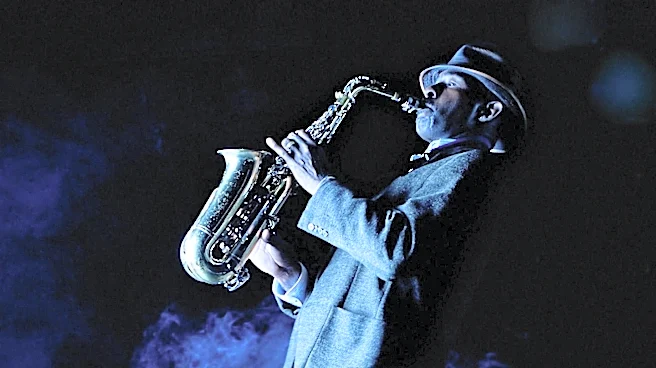






Jazz, often hailed as America's classical music, has a rich history that traces back to the late 19th and early 20th centuries in New Orleans. This vibrant genre emerged from a blend of African-American and European musical traditions, evolving over time to become a major form of musical expression. The journey of jazz from its roots to the Jazz Age is a fascinating tale of cultural fusion and artistic innovation.
The Birth of Jazz in New Orleans
New Orleans, a bustling port city,
provided the perfect cultural melting pot for the birth of jazz. The city's unique blend of cultures and races facilitated a rich musical environment where African-American traditions like blues and ragtime mingled with European harmony and instruments. This fusion gave rise to early jazz styles, often referred to as "dixieland jazz," characterized by its improvisational nature and rhythmic complexity.
The influence of Creole music, ragtime, and blues was pivotal in shaping the sound of early jazz. Musicians in New Orleans embraced improvisation, a hallmark of jazz, allowing them to express their individuality and creativity. This new form of music quickly gained popularity, setting the stage for jazz to become a significant cultural force.
The Jazz Age: A Cultural Phenomenon
The 1920s, known as the Jazz Age, marked a period of unprecedented popularity for jazz music and dance styles. This era saw jazz transcend its regional roots to become a global phenomenon, with its cultural impact felt most strongly in the United States. The Jazz Age was characterized by a spirit of rebellion and liberation, as young people embraced the new music and dance styles that challenged traditional norms.
Jazz became synonymous with the Roaring Twenties, a time of economic prosperity and social change. The advent of radio helped spread jazz across the nation, introducing it to a wider audience and solidifying its place in popular culture. Jazz clubs and speakeasies became hotspots for entertainment, where people gathered to enjoy the lively and spontaneous performances of jazz musicians.
The Legacy of Jazz
The influence of jazz extended far beyond the Jazz Age, leaving a lasting impact on music and culture. Jazz's emphasis on improvisation and individual expression inspired countless musicians and composers, leading to the development of new styles and genres. The genre's ability to adapt and evolve has ensured its continued relevance in the music world.
Jazz also played a significant role in breaking down racial barriers, as it brought together musicians and audiences from diverse backgrounds. The genre's roots in African-American culture and its embrace by mainstream society highlighted the power of music to bridge cultural divides.
Today, jazz remains a testament to the creativity and resilience of its pioneers, continuing to captivate audiences with its timeless appeal and dynamic spirit.